



THE U.S. construction industry has been challenged on its outdated fire safety methods and its inconsistent application of NFPA 241, in a refreshed industry report. Four years on since the publication of its detailed whitepaper 'No Site Left Behind: The Modern Fire and Life Safety Solutions for Construction’, global wireless solutions firm Ramtech has unveiled a 2026 edition - ‘Closing the Gaps in Construction Fire Safety’, featuring field-tested insights from projects with trusted contractors such as Barton Malow. This new report reflects on what has changed, what hasn’t, and where responsibility must sit as construction projects become larger, faster, and more complex.
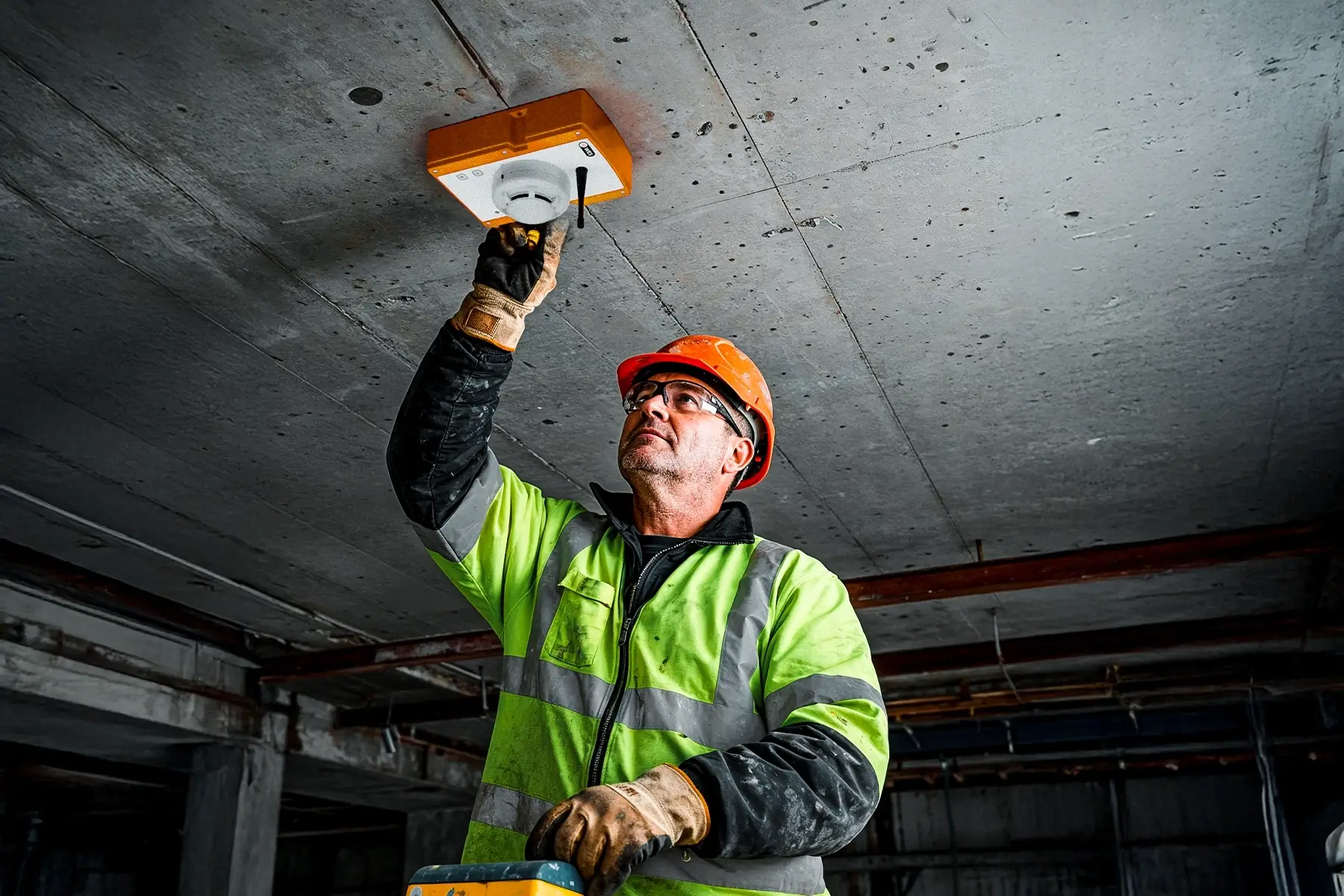
A central focus of the paper is NFPA 241, and why fragmented adoption across states, reliance on older editions, and a ‘minimum code’ mindset continues to undermine site safety. Drawing on insight from James Pecz, Ramtech’s North America lead and member of the NFPA 72/241 Temporary Fire Alarm Task Group, the report highlights areas where the 2026 revision is expected to bring real-world impact.
It provides early insight into expected areas of change in the forthcoming NFPA 241 2026 revision, including enhanced guidance for mass timber construction, stricter site security requirements, clearer definition of Fire Prevention Program Manager (FPPM) responsibilities, and stronger integration with other NFPA and International Fire Code standards.

Working with our construction partners across the U.S., we have witnessed first-hand the complexity of the challenges faced by building owners and fire prevention program managers (FPPMs).
James Pecz, Vice President of Ramtech North America
James said: “Across the U.S., adoption of NFPA 241 is still highly inconsistent. My work on the NFPA 72/241 Temporary Fire Alarm Task Group has highlighted how reliance on older editions or minimum-code compliance leaves sites exposed, especially as projects become larger and more complex. Wireless detection and notification systems can bridge these gaps, helping contractors meet best-practice standards while protecting people, assets, and schedules.”
Kyle Jarvenpaa, vice president of business development at Space Age Electronics, adds perspective from hands-on project delivery. He said: “Projects with hundreds of workers across dozens of floors present unique challenges. The real test isn’t just knowing the code – it’s making sure every worker hears the alarm, every floor is cleared, and safety teams have real-time visibility.
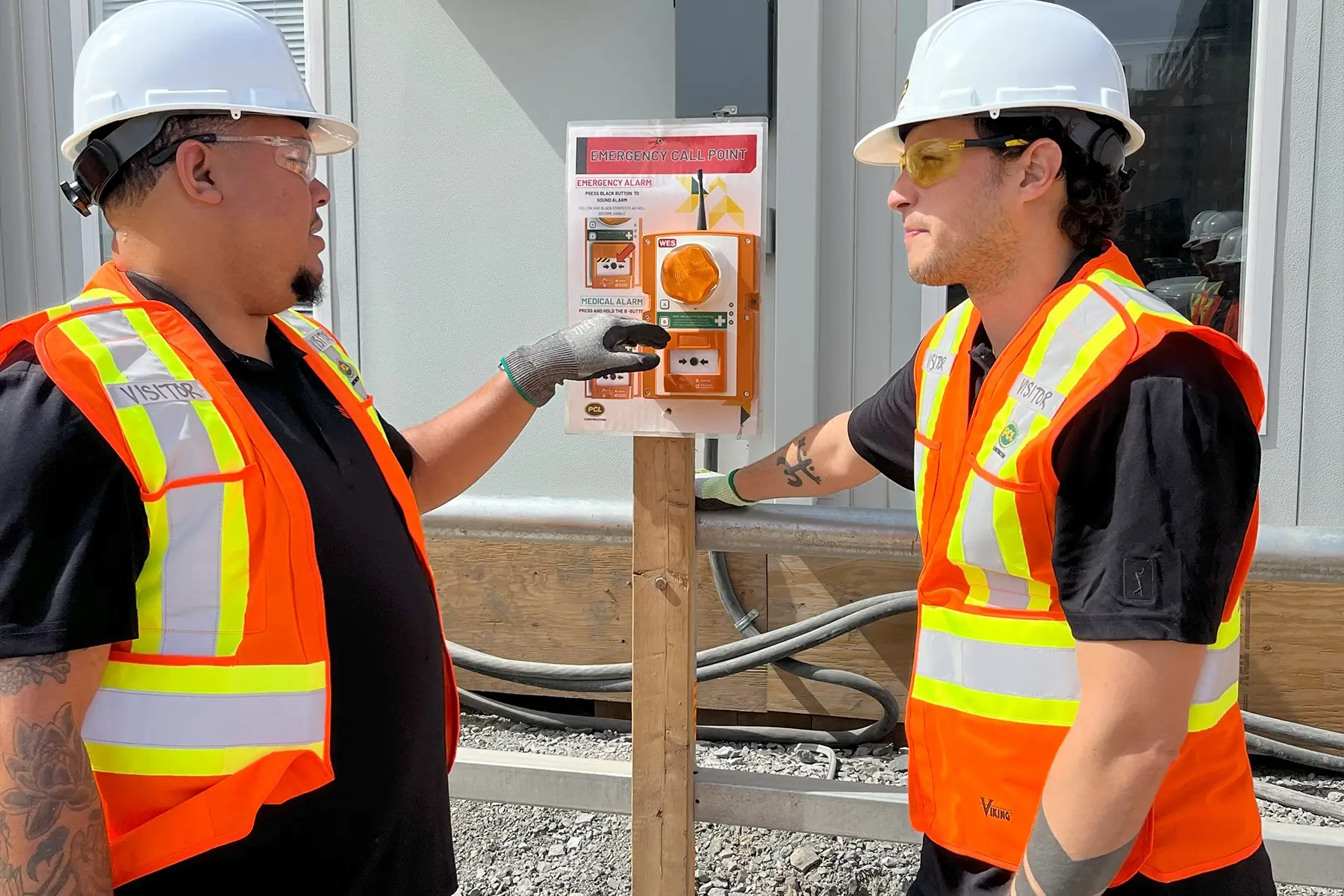
“Coordinated wireless detection and notification systems turn complex safety plans into action, giving workers confidence they’ll be alerted immediately in an emergency, while helping teams respond faster and keep projects moving efficiently.” The report also examines how wireless fire detection and notification systems are increasingly being recognised by Authorities Having Jurisdiction (AHJs) as a practical way to bridge compliance gaps – particularly during periods when permanent systems are not yet operational.
Trusted contractors such as Barton Malow have successfully applied these systems on complex projects. On the $1 billion Hudson’s Detroit development, project safety professional Anna Kahl said: “On a project of this size, evacuation planning can’t rely on assumptions. Noise, height, changing access routes, and limited visibility are the norm, not the exception. A coordinated alarm system that reached all workers at the same time was vital – it kept our team safe and gave us confidence in every drill.”
Coordinated wireless detection and notification systems turn complex safety plans into action, giving workers confidence they’ll be alerted immediately in an emergency, while helping teams respond faster and keep projects moving efficiently.
Kyle Jarvenpaa, Vice President of Business Development at Space Age Electronics
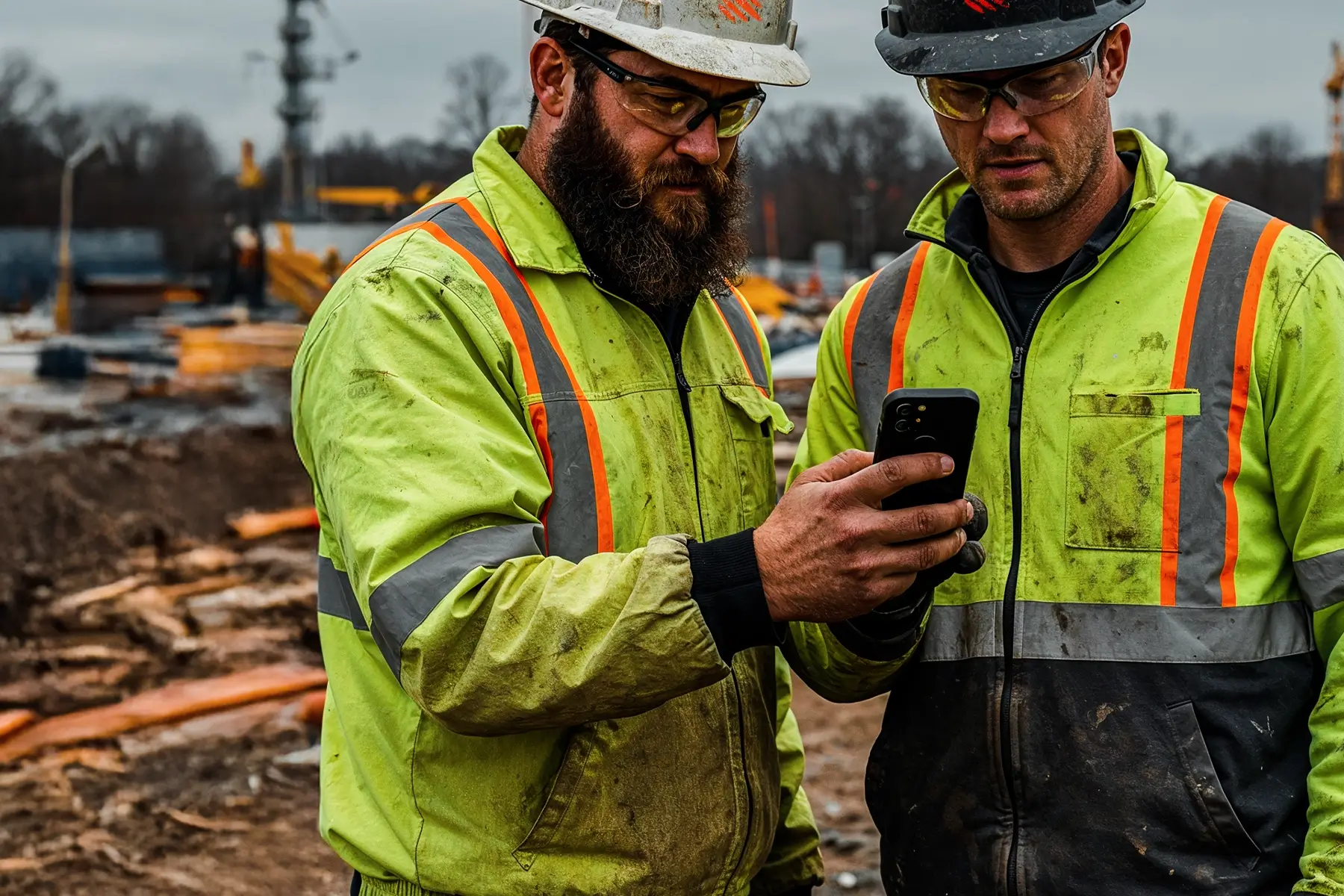
A detailed case study also outlines the deployment of more than 350 wireless devices to protect a $1.3 billion resort development in California, demonstrating how temporary systems can deliver permanent-level protection. James added: “Working with our construction partners across the U.S., we have witnessed first-hand the complexity of the challenges faced by building owners and fire prevention program managers (FPPMs). Four years since we compiled our first white paper on the subject, we felt the time was right to revisit and unpack what has changed and what still needs attention.
“Having recently opened our North Carolina address, we are now more equipped than ever to support the U.S. construction sector and tackle the biggest challenges of site safety. Our aim has and always will be to create positive change through our simple, fast and secure, wireless solutions. We hope this whitepaper will once again raise the importance of technology in preventing fire and medical emergencies within the complex environmental conditions of construction sites.”