




A major update to North America’s primary fire safety code will vastly improve construction jobsite protection, as revealed by Ramtech, a global leader in temporary fire systems and site safety solutions. Following recent technical committee approvals within the National Fire Protection Association (NFPA) process, the new standalone Chapter 28 titled ‘Temporary construction fire alarm and signaling systems’ is set for inclusion in the next edition of NFPA 72 (National Fire Alarm and Signaling Code), anticipated for publication in 2028.
The milestone update represents one of the most significant developments in construction fire safety in decades, establishing the industry’s first dedicated technical framework specifically for temporary alarm and signaling systems. Developed to complement NFPA 241 (Standard for Safeguarding Construction, Alteration, and Demolition Operations), Chapter 28 addresses a longstanding gap in fire protection standards by providing clear requirements for the design, installation, operation, testing, maintenance and removal of temporary fire alarm systems.
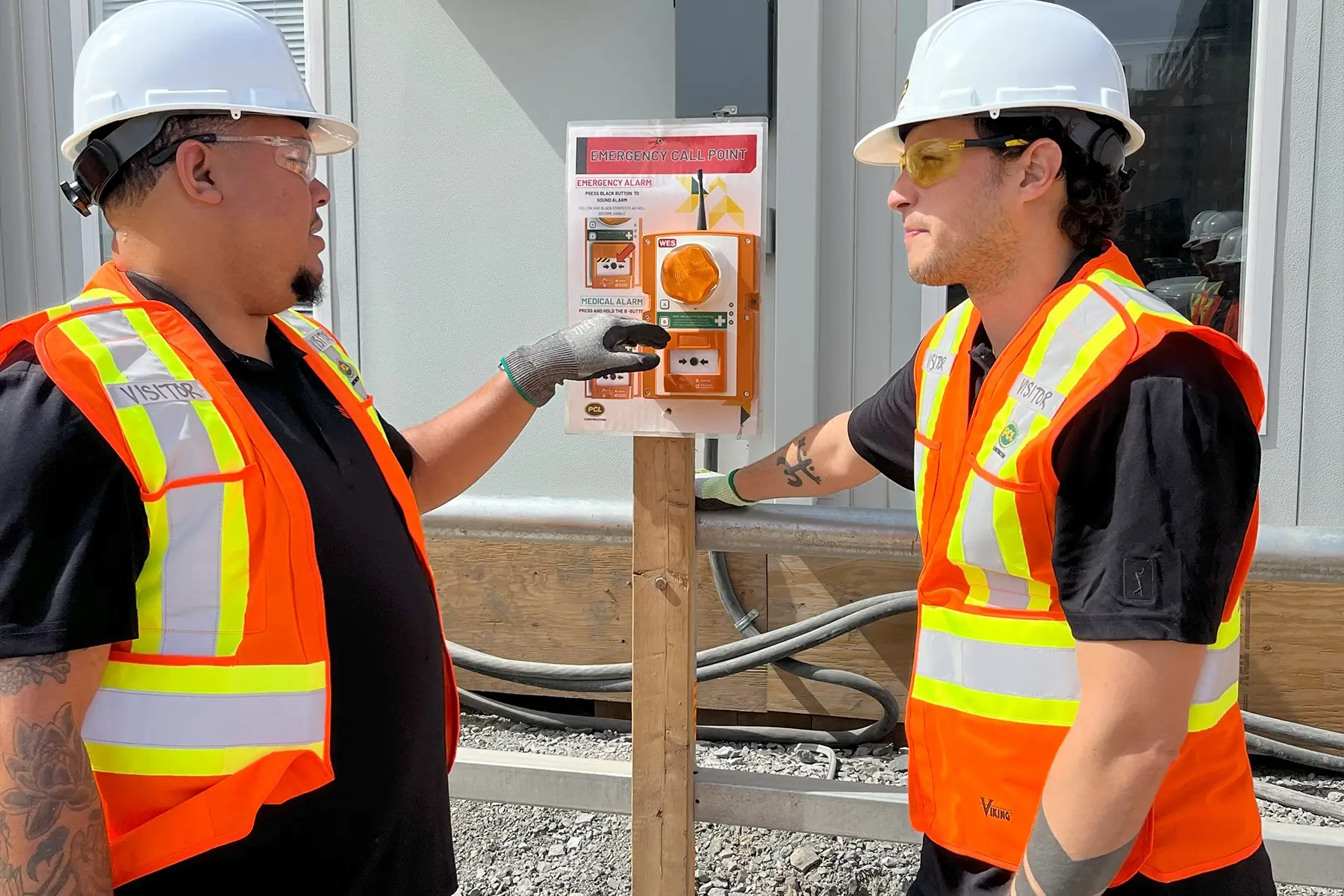
Ramtech's Role
James Pecz, vice president at Ramtech North America and member of the NFPA 72/241 Temporary Fire Alarm Task Group was one of several responsible for developing and refining the chapter, and voting for its inclusion, understanding the urgency and importance of such a significant update. His contributions were instrumental as part of the NFPA task group, where he participated in the detailed discussions that reviewed, amended and approved the chapter before it progressed through the NFPA standards development process.
Reflecting on the real-world impact of the update, James said: “For years, jobsite safety has relied on a mix of costly fire watches and outdated manual measures like airhorns. While human patrols have their place, they simply can’t be everywhere at once – especially on sprawling, multi-story projects – and manual horns fail in loud, active work zones. “Chapter 28 gives contractors, safety officers, and local inspectors a clear, modern benchmark. It replaces informal or cost-prohibitive setups with a standardized framework designed specifically for dynamic construction sites.”
Chapter 28 gives contractors, safety officers, and local inspectors a clear, modern benchmark. It replaces informal or cost-prohibitive setups with a standardized framework designed specifically for dynamic construction sites.
James Pecz, Vice President, Ramtech North America
Industry backing
Wayne D. Moore is a fire protection engineer and longstanding NFPA committee member, who has spent decades shaping the fire alarm and emergency communication systems that protect lives every day. Speaking on the new chapter, he said: “For years, temporary fire alarm systems operated in a regulatory grey area despite job sites carrying some of the highest fire risk profiles in construction. The addition of Chapter 28 to NFPA 72 fills a long-overdue safety gap by establishing clear, enforceable rules for temporary signaling. “Having technical experts like James Pecz and the team at Ramtech involved in this process was crucial to ensuring these standards reflect real-world job site conditions while upholding the rigor NFPA is known for.”
Highlighting the equipment testing and compliance impact of the update, Allan P. Sanedrin, Principal Engineer, Fire and Life Safety Signaling Systems (Built Environment) at UL Solutions, added: “Listed equipment will be required -temporary fire alarm systems must perform reliably and in accordance with applicable code requirements. They should be evaluated and tested for operation, reliability and resiliency in demanding construction environments, where dust, uncontrolled temperatures, and rough handling can challenge system performance.”
The Risk on Site
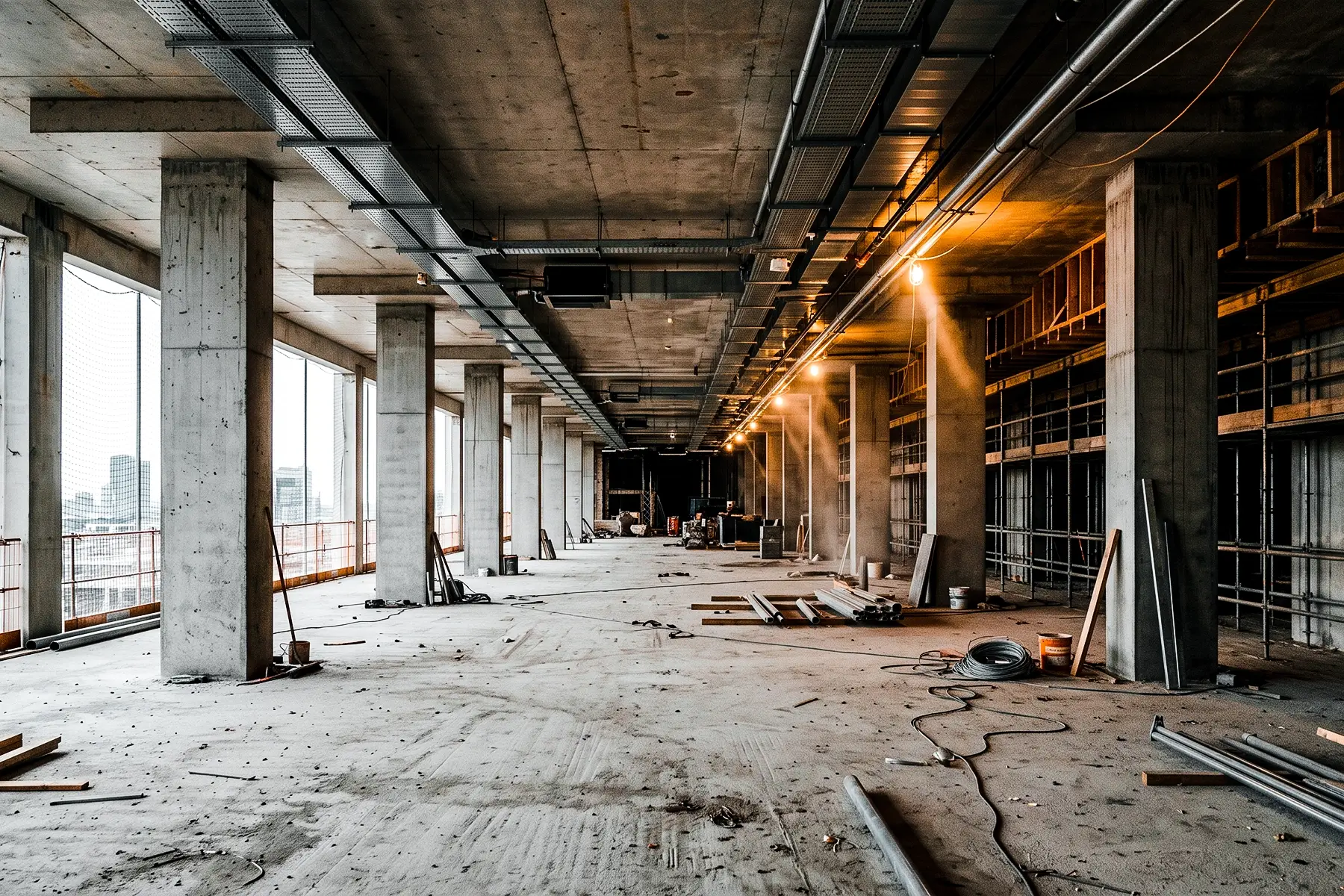
One of the biggest challenges during construction is maintaining effective fire detection as the site changes. Data centre projects are rarely static and a detection system that works effectively at one stage may not provide the same coverage months later.
Wireless fire detection systems can be deployed without the same reliance on permanent cabling, making them easier to install, relocate and expand as construction progresses. This flexibility can be particularly valuable across large data centre campuses, where construction activity can continue alongside completed or partially operational areas.
Real-time monitoring and automated alerts can also give project teams greater visibility across a large site. Rather than relying solely on scheduled inspections or personnel physically monitoring an area, teams can receive alerts when an issue occurs and maintain an auditable record of incidents and responses.
For years, temporary fire alarm systems operated in a regulatory grey area despite job sites carrying some of the highest fire risk profiles in construction. The addition of Chapter 28 to NFPA 72 fills a long-overdue safety gap by establishing clear, enforceable rules for temporary signaling.
Wayne D. Moore, Fire Protection Engineer and NFPA Committee Member
The Risk on Site
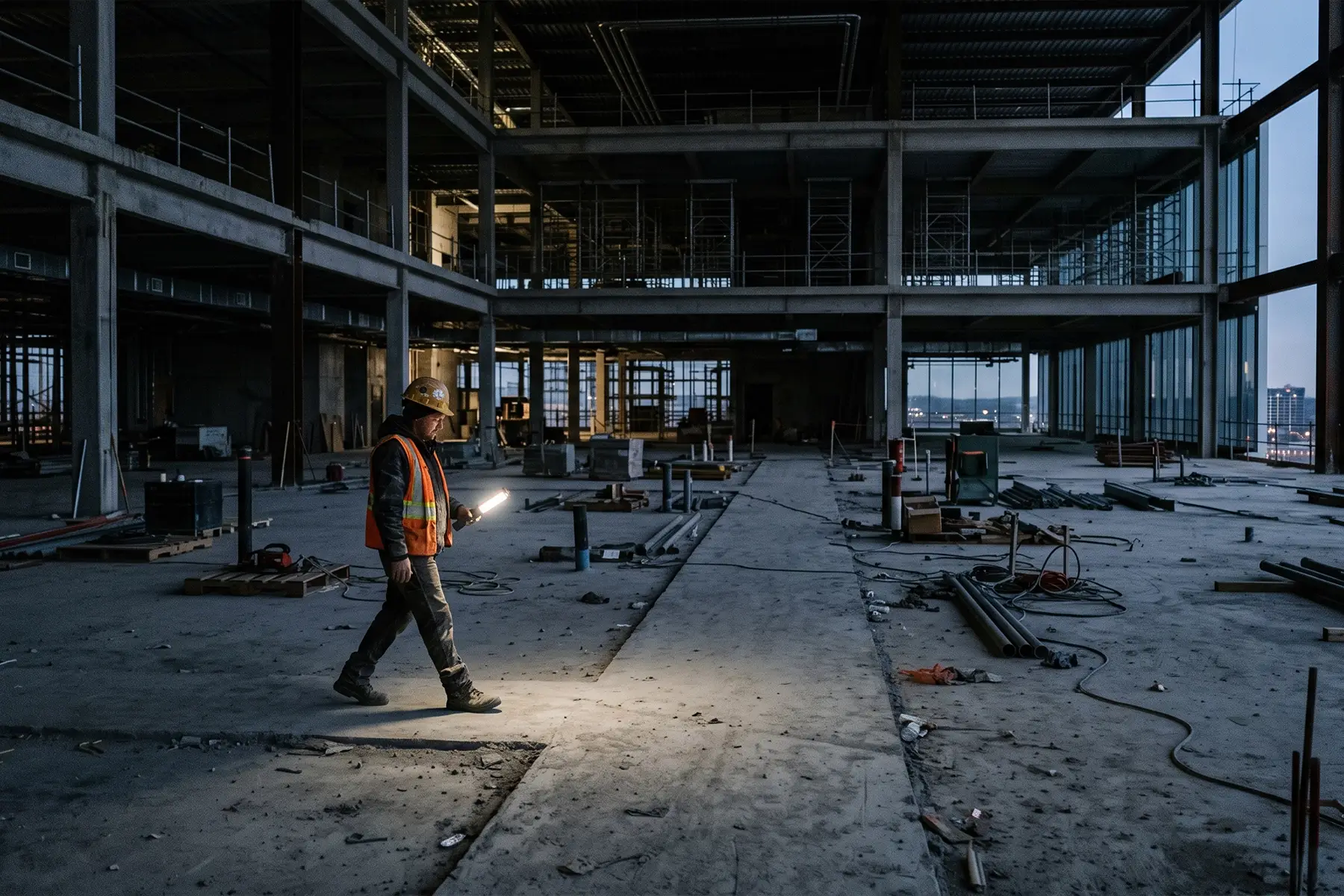
Construction sites remain one of the highest-risk environments for fire. In the United States alone, fire departments respond to approximately 4,400 construction-site fires each year, resulting in:
- Around five fatalities annually
- Approximately 60 injuries
- $370–375 million in direct property damage
Looking Ahead
Having worked within the construction industry for nearly four decades and having recently published a revised edition of its industry white paper ‘No Site Left Behind’ focusing on the increasing challenges and risks posed by fire, Ramtech was uniquely positioned to offer insight on the changes. James added: “Collaborating on this landmark moment with NFPA positions Ramtech as more than a supplier of temporary fire and life safety solutions; it demonstrates our active role in helping shape the future of construction fire safety standards across North America.
“We have been and remain committed to raising the bar for fire safety in North America and globally through our products, but also through the organisations that oversee best practice and codes of conduct. We see this has a major step forward for anyone in the construction industry, enabling them to be safer and more secure for the future.”