




NEWS
What is the Fire Protection Gap in Shipbuilding, Refit and MRO Projects
A vessel is often at its most vulnerable long before it enters service.
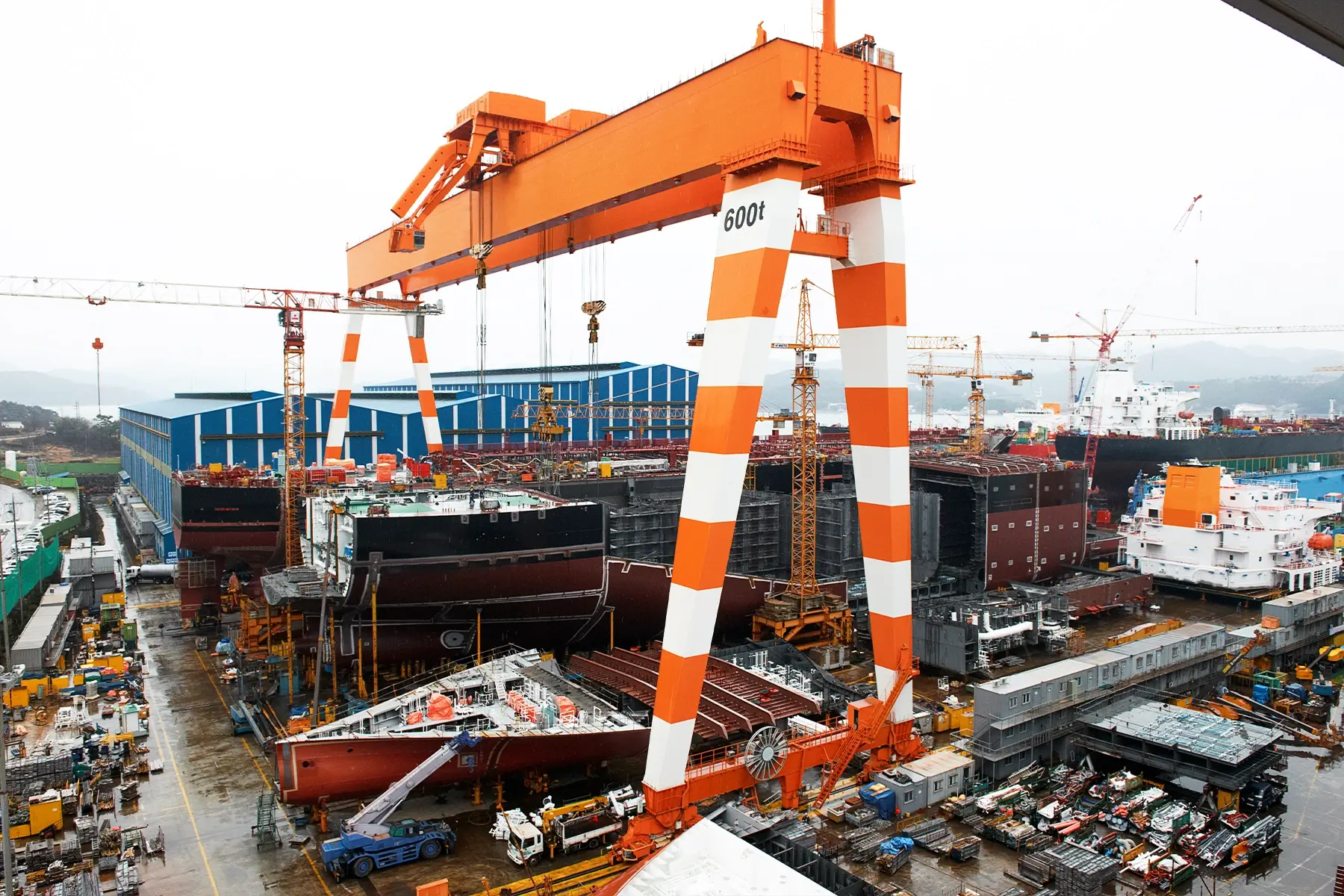
During shipbuilding, refit and maintenance projects, hot work is taking place across multiple decks, temporary electrical systems are being installed, fire compartments remain incomplete and hundreds or even thousands of contractors may be working onboard simultaneously. Yet this is often the period when permanent fire detection and suppression systems are unavailable, isolated or still awaiting commissioning. This creates a significant challenge for shipyards, repair yards, vessel owners and marine insurers alike.
How do you protect a vessel when the systems designed to detect and respond to fire are not yet operational?
The answer lies in understanding what many in the industry refer to as the Fire Protection Gap. According to the latest Allianz Safety and Shipping Review, vessel fires reached their highest level in a decade during 2024, reinforcing concerns across the marine sector about the growing frequency and severity of fire-related incidents. Fire remains one of the leading causes of vessel loss globally and continues to be one of the most expensive drivers of marine insurance claims. As vessels become larger, more complex and more valuable, understanding this period of heightened risk has become increasingly important.
250
Total number of marine vessel fires recorded during 2024.
109
Total number of vessels completely lost to fire this decade.
18%
Total proportion of marine insurance claim value from fire.
$3Billion+
Total estimated cost from losing the USS Bonhomme Richard.
Understanding the Fire Protection Gap
The Fire Protection Gap refers to the period during vessel construction, repair, conversion or maintenance when fire risk is elevated but permanent fire protection systems are unavailable, impaired or not yet commissioned.
This is common across shipbuilding and MRO projects, from cruise ships and naval vessels to commercial vessels, offshore assets and superyachts. During these phases, high-risk activities such as hot works continue while sections of the fire detection infrastructure may be isolated, incomplete or undergoing modification.
The result is a critical period where fire risk increases while protection is reduced.
Why Fire Risk Increases During Shipbuilding and Repair Projects
What Happens When Detection is Delayed?
The consequences of delayed fire detection can be severe. One of the most significant examples in recent history was the USS Bonhomme Richard fire in July 2020. The amphibious assault ship was undergoing maintenance when a fire broke out onboard. The incident burned for four days before being brought under control. The vessel was ultimately declared a total loss, with estimated costs exceeding $3 billion.
While this was a military asset, the lessons apply across the marine industry. When a fire is detected early, intervention is often and effective. When detection is delayed, a small ignition event can quickly escalate into a major incident. For shipyards and vessel owners, the impact can include project delays, extensive rework, contractual penalties and reputational damage. For insurers, delayed detection increases loss severity and accumulation risk, particularly where multiple vessels are located within the same facility.
What Does JH143 Say About Fire Risk?
Marine insurers frequently use the JH143 Shipyard and Project Risk Assessment framework when evaluating shipbuilding and repair projects. The framework highlights fire as one of the most significant risks during construction and maintenance activities. However, whilst JH143 helps identify hazards and assess controls, it does not prescribe specific temporary fire detection technologies.
This has led to increasing discussion across the marine insurance sector about how best to manage fire risk during periods when permanent systems are unavailable. As vessel values continue to increase and major fire losses continue to occur, many insurers are taking a closer look at the controls deployed during construction and repair phases.
Why Fire Watch Alone Has Limitations
Fire watch remains one of the most common compensatory measures used during shipbuilding and repair projects. Trained personnel patrol designated areas, monitor hot work activities and identify potential hazards. Fire watch is an important layer of protection and continues to play a valuable role in marine fire safety. However, it was never designed to provide continuous automatic detection.
A fire can start moments after a patrol has passed through an area. Large vessels contain numerous compartments, void spaces and enclosed areas where visibility may be limited. Human factors such as fatigue, distraction and workload can also affect effectiveness. The challenge is not that fire watch is ineffective. The challenge is that it relies on people being in the right place at exactly the right time. As project complexity increases, many shipyards are recognising that additional layers of protection are needed.

The construction and repair phase presents a unique risk profile. Ignition sources increase dramatically while permanent fire protection systems may not yet be available. Early detection becomes critical because a delay of minutes can significantly alter the outcome of an incident.
Aron Wadhia, Head of Business Development | Ramtech
Closing the Fire Protection Gap
Increasingly, project teams are supplementing fire watch procedures with temporary fire detection systems designed specifically for construction and repair environments. Unlike permanent systems, temporary fire detection can be deployed, relocated and adapted as projects evolve. Solutions such as the WES3 Wireless Fire Detection System provide continuous monitoring during periods when permanent systems are unavailable or impaired.
The objective is simple.
Reduce the time between ignition and response. Continuous monitoring allows smoke or heat to be detected immediately, helping ensure personnel are alerted before an incident has the opportunity to escalate. This capability is particularly valuable during overnight periods, shutdowns and phases of work where personnel numbers may be reduced. For many organisations, temporary fire detection is becoming an essential component of a broader fire risk management strategy.
What Does Best Practice Look Like?
There is no single solution to managing fire risk during shipbuilding, refit and MRO projects. The most effective strategies combine multiple layers of protection. Robust hot work management procedures remain essential. Fire watch continues to play an important role. Temporary fire detection provides continuous monitoring where permanent systems are unavailable. Emergency notification systems help ensure critical information reaches the right people quickly. Together, these measures help reduce both the likelihood and severity of fire incidents. Increasingly, insurers, risk engineers and project stakeholders are recognising that fire protection during construction and repair requires the same level of attention as fire protection during vessel operation.
Looking Ahead
The marine industry continues to build larger, more complex and more valuable vessels than ever before. At the same time, shipyards face increasing pressure to improve productivity, reduce delays and protect workers. Against this backdrop, the Fire Protection Gap is becoming harder to ignore. The question is no longer whether the gap exists. The question is how effectively project teams can manage the risk while it does. For shipbuilders, repair yards, vessel owners and insurers, closing the Fire Protection Gap is not simply about compliance. It is about protecting people, safeguarding assets and reducing the likelihood of the next major marine fire loss.