



NEWS
Understanding the Risks
What comes with retail refurbishment projects.
Retail refurbishment projects present a unique set of fire safety challenges that must be carefully managed throughout every stage of the works. From the earliest design decisions and material selection through to construction methods and site management, fire risk should remain a central consideration. This is particularly important in retail environments, where refurbishment often takes place in complex buildings that may remain partially occupied or operational during construction.
How do you protect a building when the systems designed to detect and respond to fire are not yet operational?
In France, retail premises are classified as ERP (Établissements Recevant du Public) Type M buildings. As such, they are subject to the requirements of the Arrêté du 25 juin 1980 and the Code de la Construction et de l’Habitation, which establish the fire safety standards applicable to public buildings. Compliance with these regulations is mandatory throughout the refurbishment process to ensure the safety of workers, occupants, and the public.
While the final refurbished building must fully comply with all applicable fire safety regulations before reopening, construction works are typically managed using a risk-based approach. This means that temporary arrangements may be implemented during the refurbishment period, provided they maintain an acceptable level of safety. In practice, some permanent fire protection systems may be unavailable, partially decommissioned, or undergoing modification while works are in progress. Consequently, alternative measures are often required to mitigate fire risks until the permanent systems are fully operational.
The Importance of Temporary Detectors
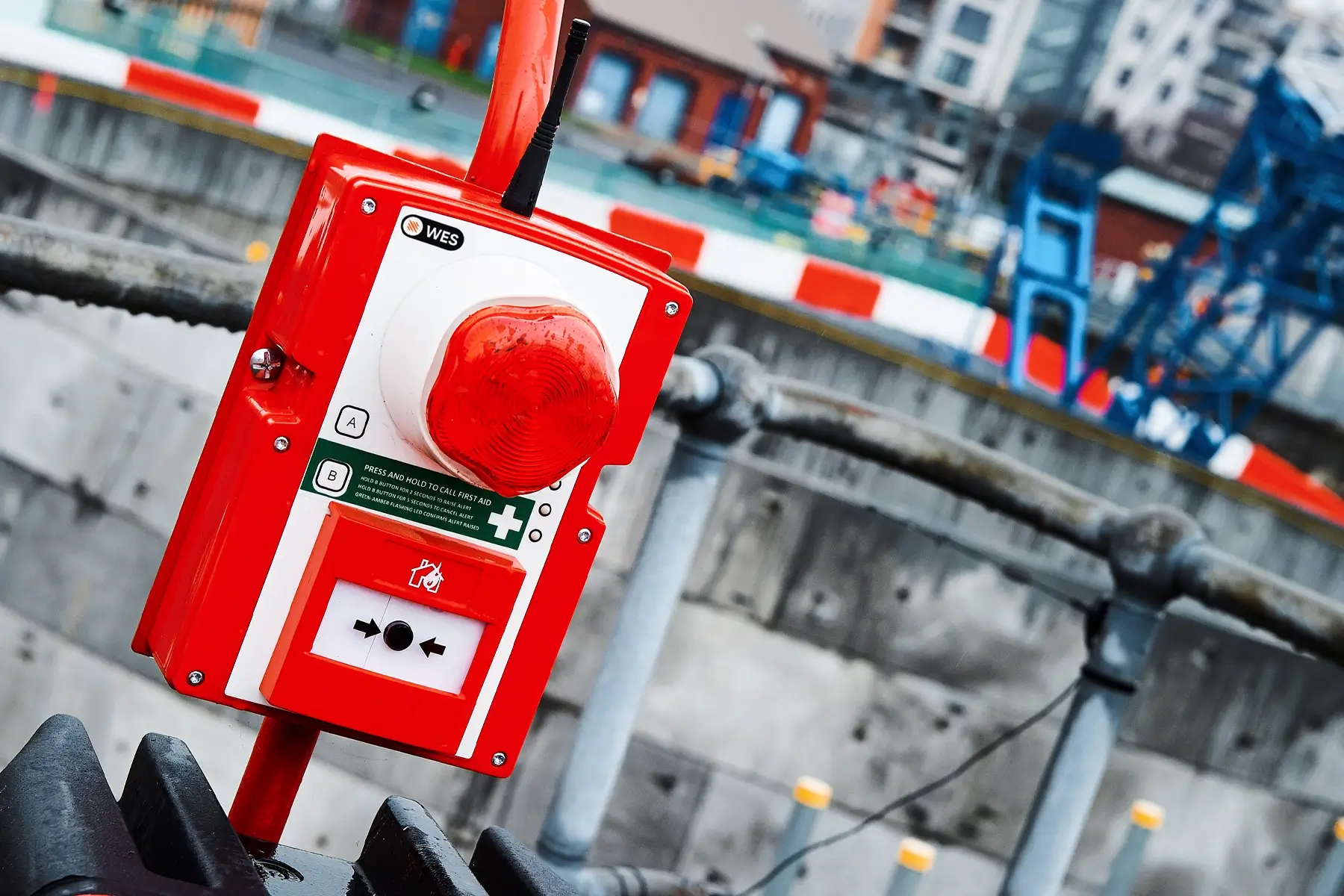
Although French regulations do not explicitly mandate the use of temporary fire alarm systems during refurbishment projects, they do require that adequate safety measures are maintained at all times. Temporary fire detection and alarm solutions can therefore play a critical role in ensuring continuous protection throughout the construction phase. Systems such as Ramtech’s WES3 wireless fire alarm system provide installation, flexible coverage, and reliable fire detection, making them particularly suitable for refurbishment projects where traditional fire alarm infrastructure may be unavailable or disrupted.
Retail refurbishment sites are especially vulnerable to fire incidents due to the combination of combustible materials, temporary structures, electrical installations, hot works, and heavy machinery. Activities such as welding, cutting, grinding, and roofing works can significantly increase the likelihood of ignition. At the same time, construction materials, packaging, timber, insulation products, and waste accumulation can provide ample fuel for a fire to spread.
Fires and explosions have long been the primary cause of insurance claims in construction.
Blanca Berruguete, Global Industry Solutions Director for Construction | AGCS
The Hidden Risk in Refurbishment Projects
However, one of the most significant risks associated with refurbishment projects is often the lack of continuous supervision, particularly outside normal working hours. Construction sites are frequently unattended during evenings, nights, and weekends, allowing a fire to develop unnoticed and grow to a dangerous scale before emergency services are alerted.
The risks associated with refurbishment projects are reflected in wider construction insurance data. According to Allianz Global Corporate & Specialty (AGCS) Construction Claims Analysis, fire and explosion account for approximately 27% of the value of construction and engineering insurance claims globally, making it the single largest cause of loss in the sector.
AGCS analysis of more than €11bn worth of construction and engineering claims identified fire and explosion as the most expensive cause of loss across projects worldwide.
27.0%
Products
17.0%
Workmanship
15.0%
10.0%
Damage
4.0%
27.0%
The Fire in Vienna Highlights the Risks
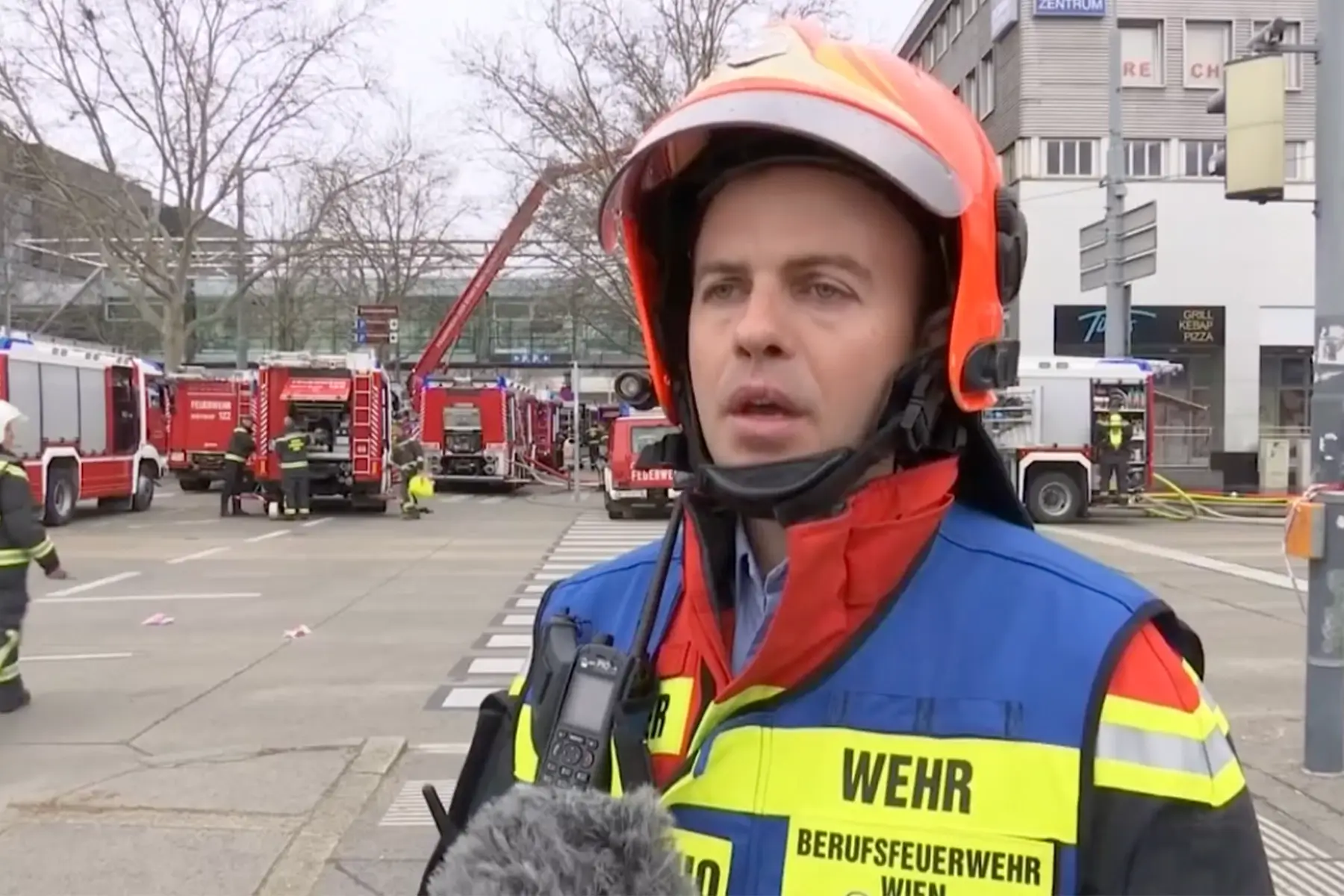
The importance of early detection is highlighted by incidents such as the Donauzentrum fire, which broke out before 7 a.m. and may have spread extensively before effective intervention could take place. Although the incident, which occurred on March 9th 2026, caused no fatalities, several retail units and a veterinary practice were affected, while emergency operations required the intervention of around 100 firefighters.
The Donauzentrum fire serves as a stark reminder that refurbishment works can significantly increase fire risk in retail environments, particularly when buildings are partially occupied, unsupervised outside working hours, or undergoing complex construction activities. While regulations provide a framework for safety, effective fire protection during refurbishment ultimately depends on proactive risk management and response capabilities.
Temporary fire alarm systems help address this challenge by providing continuous monitoring and notification capabilities. Modern wireless systems can automatically alert project managers, site supervisors, and designated responsible persons the moment a fire alarm is activated, even when they are off-site. This enables a faster response, facilitates earlier engagement with emergency services, and can significantly reduce the consequences of a fire incident.
As retail refurbishment projects become increasingly complex, maintaining robust fire safety measures throughout the construction phase is essential. By combining regulatory compliance, effective risk management, and temporary fire protection solutions, project teams can help safeguard workers, assets, and project timelines while ensuring that an acceptable level of fire safety is maintained from the first day of refurbishment through to final completion.