




Setting the Standard: Ramtech Whitepaper Relaunched Spotlighting NFPA 241 Gaps and Upcoming Code Changes
NEWS
Setting Standards
Ramtech Whitepaper Relaunched Spotlighting NFPA 241 Gaps and Upcoming Code Changes
THE U.S. construction industry has been challenged on its outdated fire safety methods and its inconsistent application of NFPA 241, in a refreshed industry report. Four years on since the publication of its detailed whitepaper 'No Site Left Behind: The Modern Fire and Life Safety Solutions for Construction’, global wireless solutions firm Ramtech has unveiled a 2026 edition - ‘Closing the Gaps in Construction Fire Safety’, featuring field-tested insights from projects with trusted contractors such as Barton Malow. This new report reflects on what has changed, what hasn’t, and where responsibility must sit as construction projects become larger, faster, and more complex.
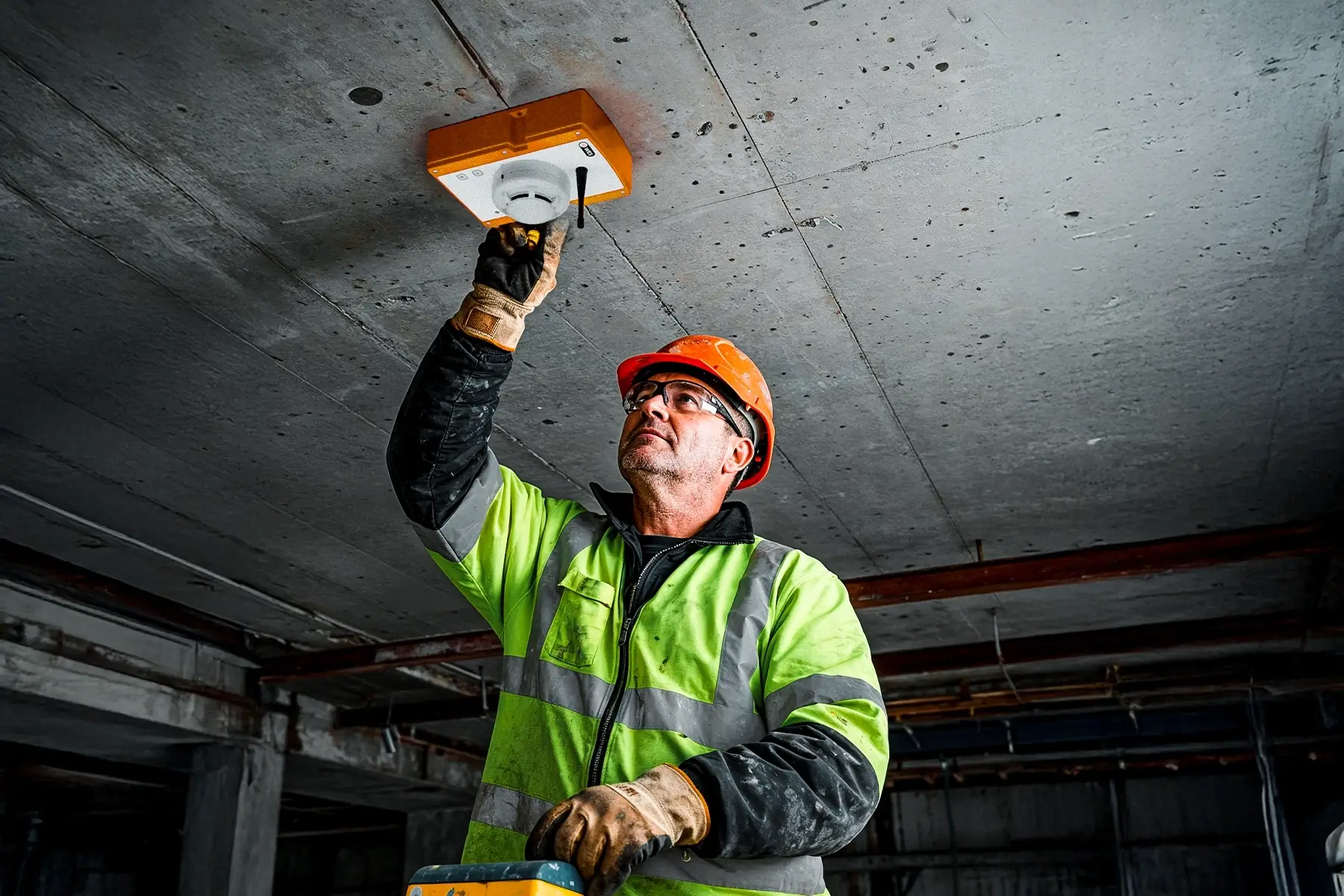
A central focus of the paper is NFPA 241, and why fragmented adoption across states, reliance on older editions, and a ‘minimum code’ mindset continues to undermine site safety. Drawing on insight from James Pecz, Ramtech’s North America lead and member of the NFPA 72/241 Temporary Fire Alarm Task Group, the report highlights areas where the 2026 revision is expected to bring real-world impact.
It provides early insight into expected areas of change in the forthcoming NFPA 241 2026 revision, including enhanced guidance for mass timber construction, stricter site security requirements, clearer definition of Fire Prevention Program Manager (FPPM) responsibilities, and stronger integration with other NFPA and International Fire Code standards.

Working with our construction partners across the U.S., we have witnessed first-hand the complexity of the challenges faced by building owners and fire prevention program managers (FPPMs).
James Pecz, Vice President of Ramtech North America
James said: “Across the U.S., adoption of NFPA 241 is still highly inconsistent. My work on the NFPA 72/241 Temporary Fire Alarm Task Group has highlighted how reliance on older editions or minimum-code compliance leaves sites exposed, especially as projects become larger and more complex. Wireless detection and notification systems can bridge these gaps, helping contractors meet best-practice standards while protecting people, assets, and schedules.”
Kyle Jarvenpaa, vice president of business development at Space Age Electronics, adds perspective from hands-on project delivery. He said: “Projects with hundreds of workers across dozens of floors present unique challenges. The real test isn’t just knowing the code – it’s making sure every worker hears the alarm, every floor is cleared, and safety teams have real-time visibility.
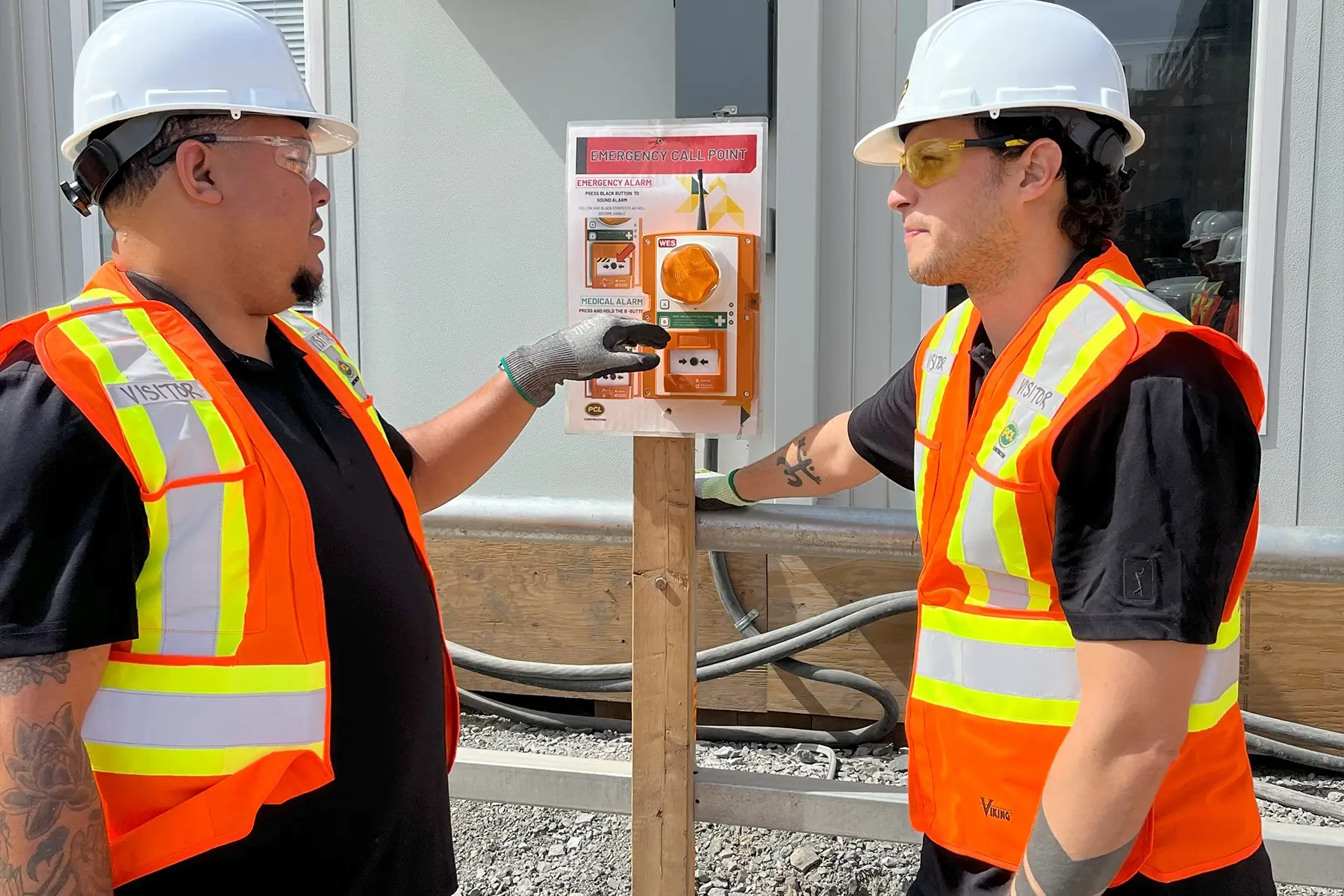
“Coordinated wireless detection and notification systems turn complex safety plans into action, giving workers confidence they’ll be alerted immediately in an emergency, while helping teams respond faster and keep projects moving efficiently.” The report also examines how wireless fire detection and notification systems are increasingly being recognised by Authorities Having Jurisdiction (AHJs) as a practical way to bridge compliance gaps – particularly during periods when permanent systems are not yet operational.
Trusted contractors such as Barton Malow have successfully applied these systems on complex projects. On the $1 billion Hudson’s Detroit development, project safety professional Anna Kahl said: “On a project of this size, evacuation planning can’t rely on assumptions. Noise, height, changing access routes, and limited visibility are the norm, not the exception. A coordinated alarm system that reached all workers at the same time was vital – it kept our team safe and gave us confidence in every drill.”
Coordinated wireless detection and notification systems turn complex safety plans into action, giving workers confidence they’ll be alerted immediately in an emergency, while helping teams respond faster and keep projects moving efficiently.
Kyle Jarvenpaa, Vice President of Business Development at Space Age Electronics
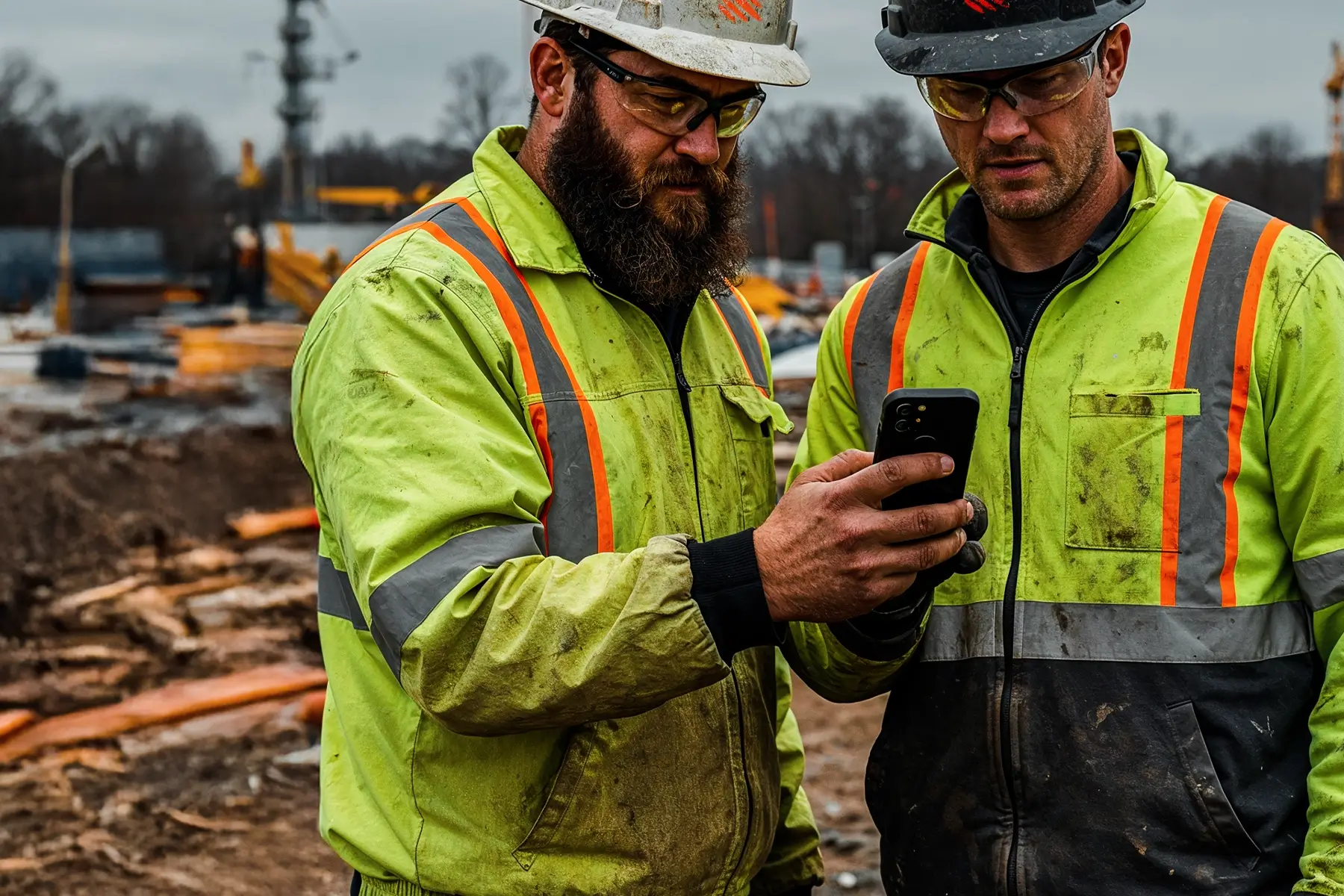
A detailed case study also outlines the deployment of more than 350 wireless devices to protect a $1.3 billion resort development in California, demonstrating how temporary systems can deliver permanent-level protection. James added: “Working with our construction partners across the U.S., we have witnessed first-hand the complexity of the challenges faced by building owners and fire prevention program managers (FPPMs). Four years since we compiled our first white paper on the subject, we felt the time was right to revisit and unpack what has changed and what still needs attention.
“Having recently opened our North Carolina address, we are now more equipped than ever to support the U.S. construction sector and tackle the biggest challenges of site safety. Our aim has and always will be to create positive change through our simple, fast and secure, wireless solutions. We hope this whitepaper will once again raise the importance of technology in preventing fire and medical emergencies within the complex environmental conditions of construction sites.”
The renewed white paper comes as Ramtech marked the official opening of its dedicated U.S. office in Charlotte, North Carolina, in October. The new hub solidifies its commitment to a full, national supply chain and has established a supportive presence for its North American partners and customers. To download your free copy of the white paper, and to find out more on Ramtech’s solutions, visit

Rethinking Fire Safety for Europe’s Workboats and Offshore Fleets
NEWS
Rethinking Fire Safety
Europe’s Workboats and Offshore Fleets
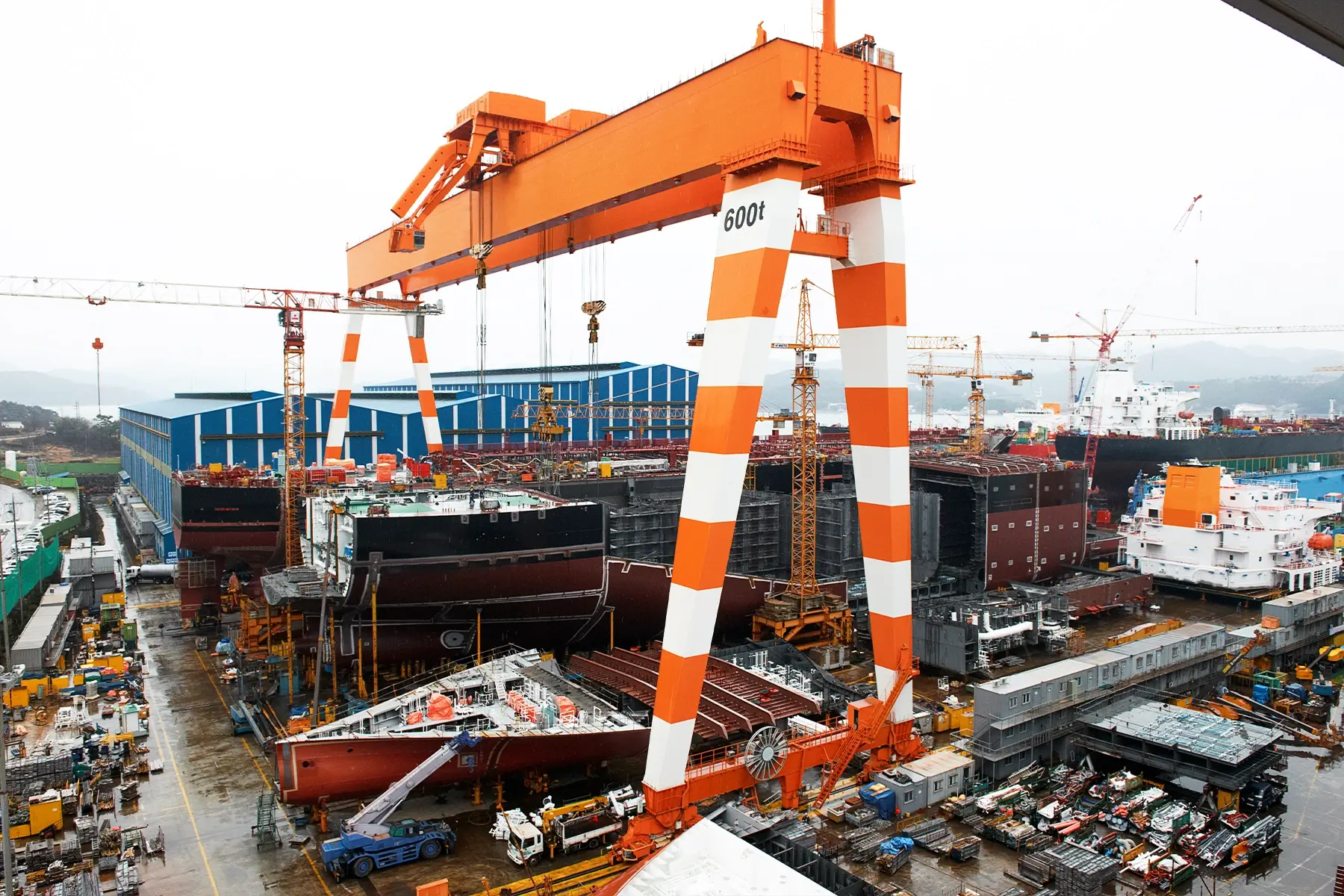
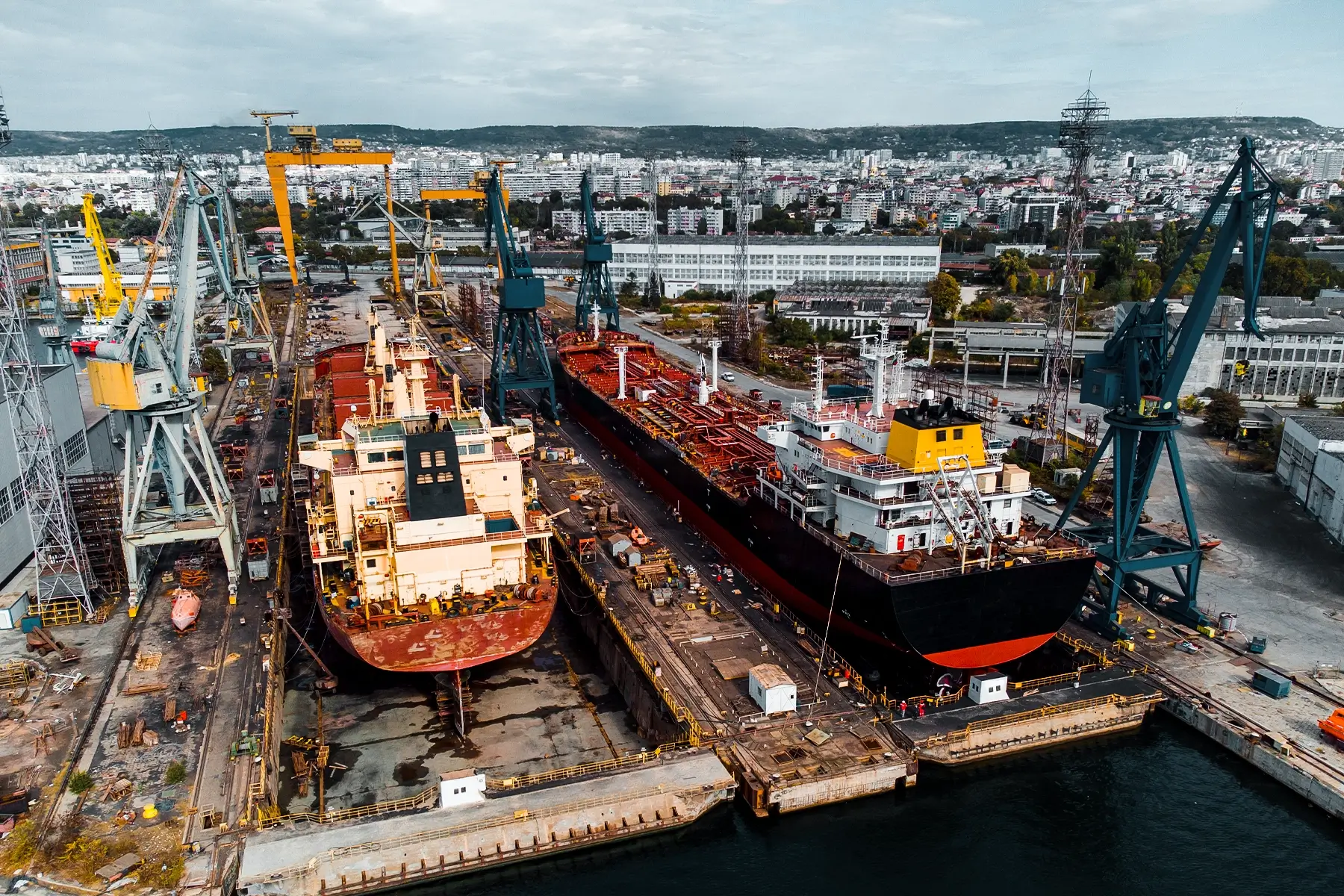
Fire risk during maintenance and refit is under renewed scrutiny across the maritime sector. The 2020 blaze aboard the USS Bonhomme Richardcaused more than $3 billion (€2.5 billion) in damage and led to the vessel being scrapped, and a December 2025 Government Accountability Office report highlighted ongoing gaps in fire safety oversight.
This resonates across Europe, where workboats, harbour craft and offshore wind service vessels face similar risks during hot work, temporary power use and operations in confined spaces. Morgan Davis, business development manager at Ramtech North America, stresses that operators must move beyond labour-intensive fire watch, adopting smarter approaches to maintain visibility and control before sparks turn into full-blown engine-room incidents – lessons that resonate across Europe’s workboat and offshore wind sector.
At the time of the Bonhomme Richard fire, manual fire watch remained a cornerstone of marine fire prevention. Human monitors were tasked with observing hot work areas and raising the alarm if smoke appeared. This relies on people being in the right place, at the right time, fully alert. Fatigue, shift changes and poor communication all create risk.
This challenge is equally acute during maintenance, retrofit and port operations for European workboats, harbour craft and offshore wind service vessels. Designed for service lives of 20 years or more, these vessels undergo structural alterations and system retrofits over time, which can reduce access to enclosed cavities and make inspection and monitoring more complex.
Over the past decade, engine room fires on crew transfer vessels, which transport personnel to offshore installations, such as the Windcat 3 in 2010 and the Windcat 8 in 2017, have required rapid intervention, often involving fixed CO₂ systems and coordinated crew responses.
In some cases, smoke and confined spaces made access difficult, underscoring the need for early detection, resilient monitoring and robust safety procedures. These incidents demonstrate just how critical early detection is – a gap that wireless monitoring is designed to fill.
The limitations of fire watch and wired systems
As detection windows narrow and operational complexity increases, the case for more resilient monitoring becomes stronger. Tight schedules, ageing vessels and complex retrofits not only elevate fire risk but also increase insurance exposure and potential downtime, making rapid detection and effective mitigation critical for both safety and business continuity.
It is also important to recognise that ships contain numerous voids, unmanned spaces where debris can accumulate over years of service. These concealed areas present a significant hazard, particularly during hot works such as cutting through bulkheads, where sparks and heat can ignite hidden combustible materials and allow fire to spread undetected.
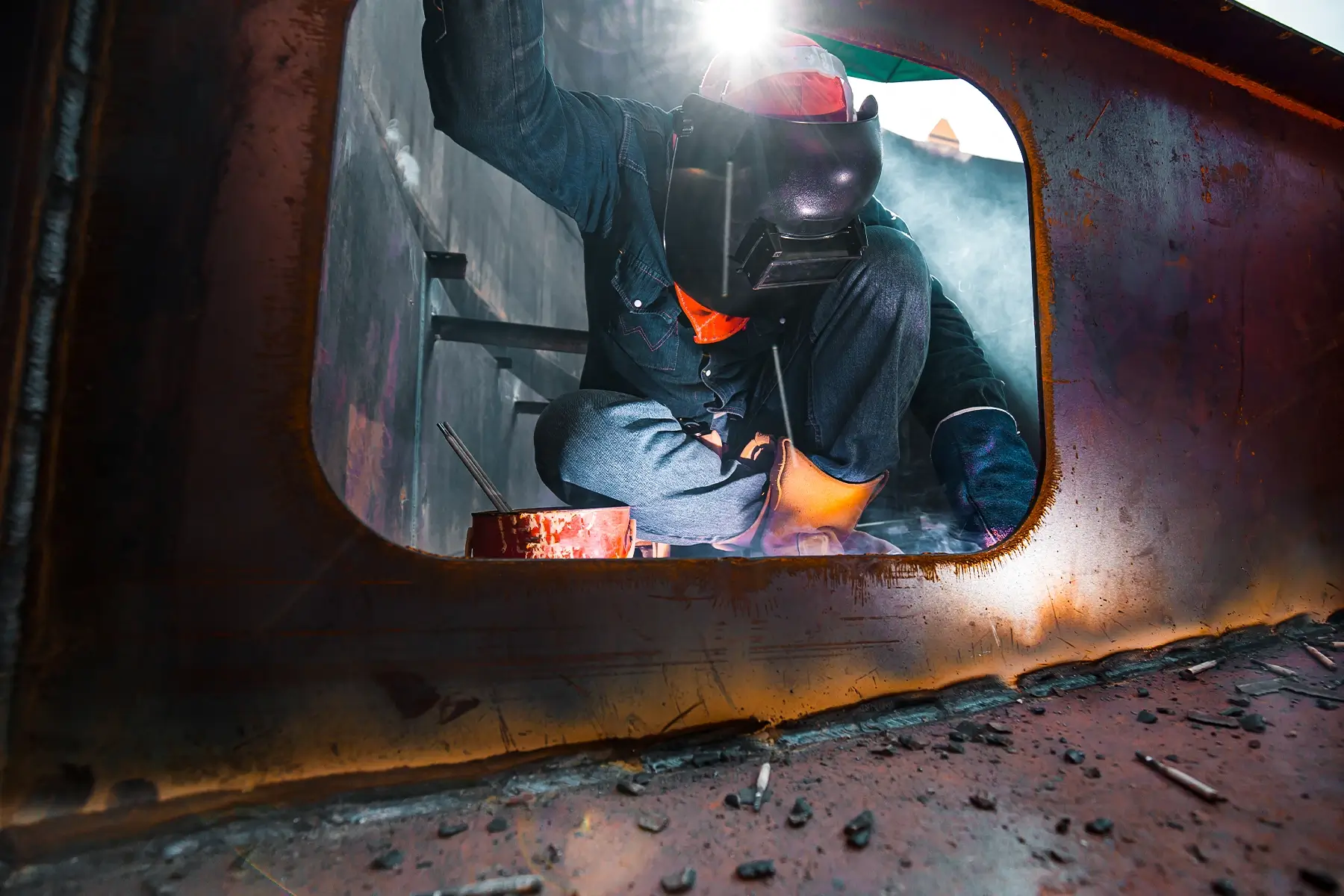
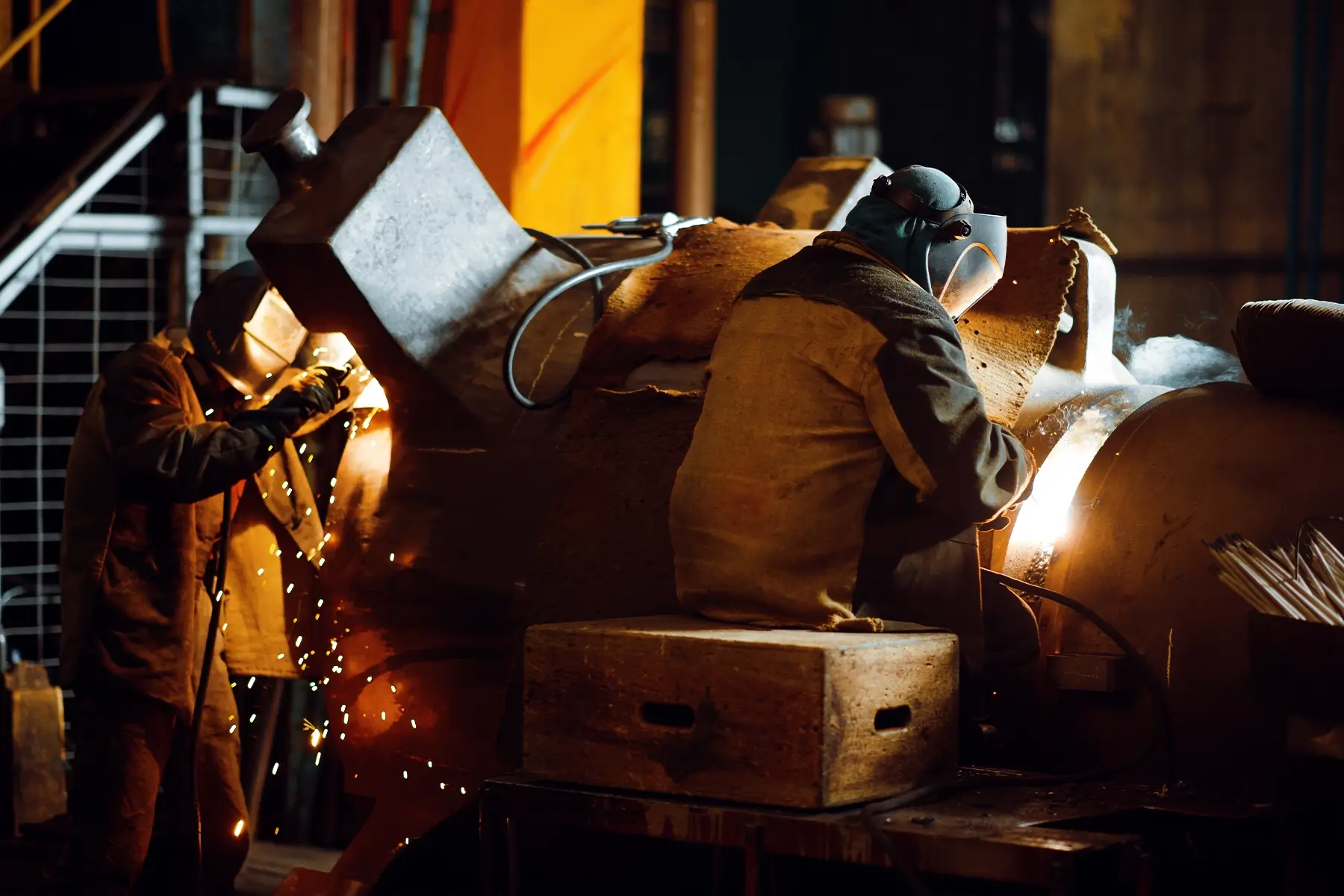
Hot work remains one of the primary ignition sources during maintenance. Temporary generators, welding operations and confined spaces amplify the danger, particularly where fuel systems, engine rooms and auxiliary machinery are located close together. In some vessels, small diesel engines may even be positioned above boilers, creating additional risk if leaks or residual fuel are present. In such environments, even minor fuel leaks can escalate rapidly if not detected early.
Manual fire watches are resource intensive and costly, and they leave room for human error. Operators are increasingly turning to smarter, adaptable monitoring solutions that provide continuous oversight across concealed spaces and can adjust to changing conditions during complex maintenance operations.
There are also practical limitations with wired setups. Installation can be slow and inflexible, while cables are vulnerable to vibration, accidental damage or environmental interference, potentially leaving critical areas unmonitored during high-risk periods.
In addition, wired systems can compromise the integrity of fire zone boundaries. Where cables pass through bulkheads and decks, fire zone boundaries may not be fully secured, increasing the risk of fire or flooding spreading through the vessel.
The business case for wireless fire safety
Across both the U.S. and Europe, the cost and labour demands of continuous manual fire watch efforts make wireless detection increasingly attractive. Over extended refits, investing in flexible monitoring strategies can reduce risk, downtime and insurance exposure. Such approaches can often be redeployed across multiple projects, offering long-term operational value. For operators, the goal is not just regulatory compliance but demonstrable risk reduction. Smarter monitoring provides coverage across concealed spaces, supports evolving regulations and strengthens crew response without over-reliance on human vigilance.
Investment in modern detection and monitoring technologies enables round-the-clock oversight, whereas post-hot works stand down periods with personnel typically range from 30 minutes to three hours, creating potential gaps in oversight once human supervision is withdrawn. The maritime sector has reached a point where dependence on manual processes is no longer proportionate to the risk. Integrating adaptable detection and awareness strategies allows operators to maintain safe, resilient fleets in demanding conditions without compromising operational efficiency.
In an era of high fleet utilisation, tight margins, shrinking skills pools and growing regulatory scrutiny, operators must embrace smarter fire safety approaches or risk costly incidents, lost availability, and reputational damage. For Europe’s workboats and offshore fleets, staying ahead of fire risk is no longer optional – it’s a matter of operational survival.

One Year of Leadership
NEWS
One Year of Leadership
Bruna Esposito Reflects on Her First Year as Unit Director at Ramtech
When Bruna Esposito stepped into the role of Unit Director at Ramtech, she marked an important milestone as the first woman to hold the position. For Bruna, however, the focus was never on the title. Instead, her priority from day one was clear. Strengthening the foundations of the business, supporting the global team, and continuing to deliver life safety solutions that protect people in some of the world’s most demanding environments.
One year on, Ramtech has continued to expand its international presence, strengthen its product offering, and deepen relationships with customers and partners around the world. Reflecting on the past twelve months, Bruna says the experience has reinforced one core belief about leadership in the life safety sector.
“In fire and life safety, trust is built over time. It comes from consistency, performance, and the ability to scale responsibly,” she explains. “Sustainable growth is not simply about moving faster. It is about building a strong operating model that delivers value for customers while maintaining the reliability they depend on.”

Aligning Mission, People and Purpose
For Bruna, one of the biggest learnings from her first year has been the importance of alignment across the organisation. When the mission is clear, teams are empowered, and the solutions being delivered solve real-world challenges, momentum builds quickly.
“A defining moment for me was seeing how quickly progress accelerates when three things come together. A clear mission, a strong team, and solutions that deliver measurable value in the real world,” she says.
That alignment has reinforced her long-term mindset for the business. Investing in strong foundations, from operational capability and processes to product excellence, digital expertise, and trusted customer partnerships, is what enables sustainable growth.
A Year of Shared Achievements
While Bruna’s role involves setting direction and guiding strategy, she is quick to credit the wider Ramtech team for the progress made over the past year.
“What I am most proud of is what we have achieved together as a global team,” she says. “Across the business we have continued to strengthen the value of our solutions, expand their reach internationally, and reinforce Ramtech’s reputation as a trusted partner in fire and life safety.”
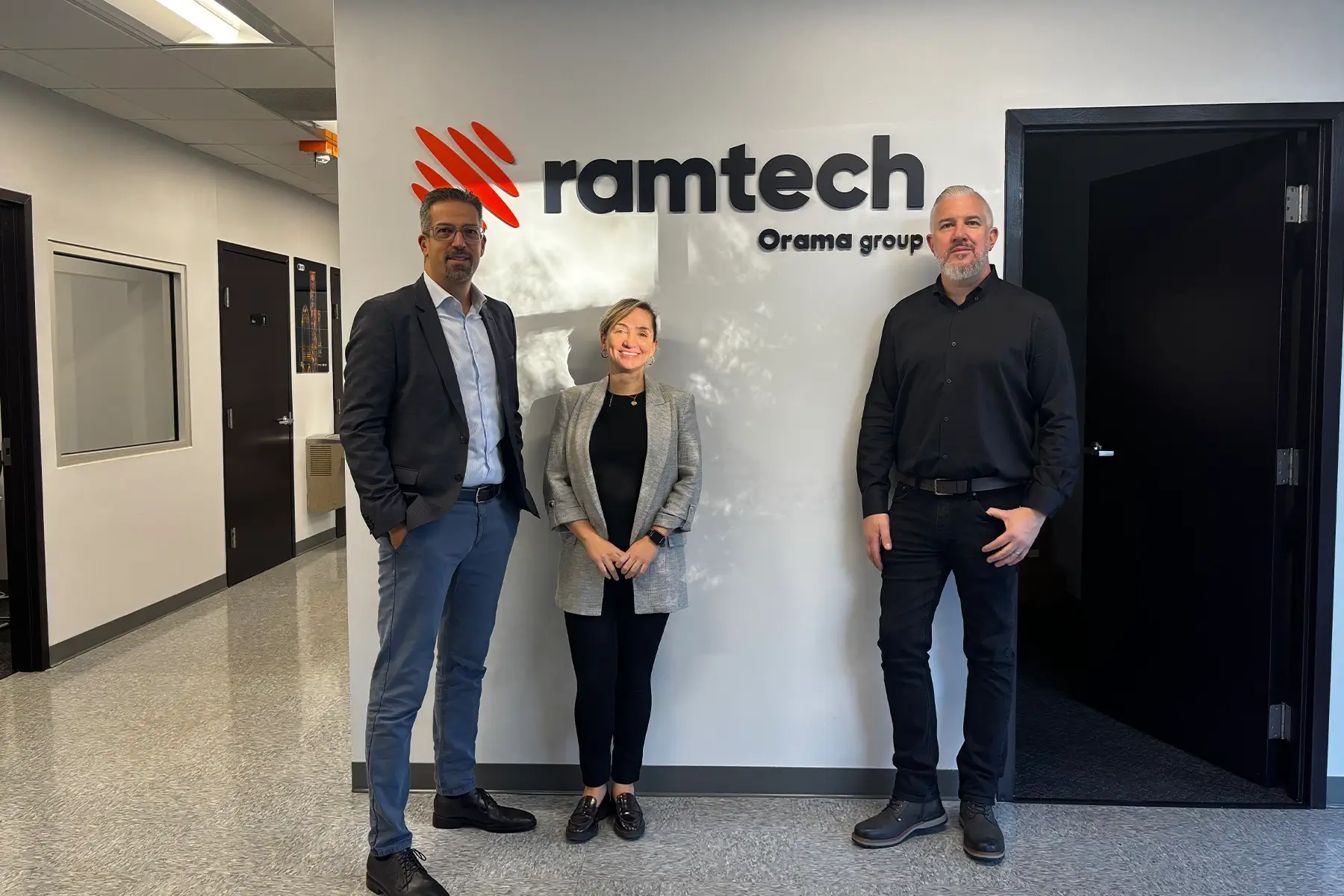
One moment that stands out particularly for Bruna was the opening of Ramtech’s new operational hub in Charlotte, North Carolina. The milestone represented a significant investment in the region and a clear signal of the company’s long-term commitment to the North American market.
Seeing partners join the team for the opening and hearing their confidence in Ramtech’s technology and strategy made the moment especially meaningful.
“That moment captured what this journey is really about for me. Building strong partnerships, investing with intent, and working together to make a real impact.”
Discovering the Versatility of Ramtech’s Technology
Since stepping into the role, Bruna’s perspective on the business has continued to evolve as she has gained deeper insight into the full breadth of Ramtech’s technology and the industries it serves. Construction remains at the heart of Ramtech’s DNA and continues to be a key focus as the business scales globally. At the same time, Bruna has been particularly encouraged by the expertise the company has built across other sectors.
“Gaining deeper insight into the work we have done in sectors such as marine has been incredibly exciting,” she says. “Seeing how our technology delivers real value in these environments reinforces the broader potential of our platform.”
What has surprised her most is the versatility of Ramtech’s systems and the ability to adapt across industries without compromising simplicity or reliability.
“The versatility of our systems means they can be applied across multiple industries while maintaining the simplicity, reliability, and ease of use that define Ramtech. That potential creates exciting opportunities for future growth.”
Looking Ahead
As Ramtech looks toward the next chapter of its journey, Bruna sees strong opportunities driven by continued innovation, expanding markets, and evolving safety expectations across industries.
“What excites me most is the continued evolution of our product offering,” she says. “Through ongoing hardware innovation and the scaling of our digital capabilities, we are strengthening our competitiveness and ensuring we continue to deliver meaningful value to our customers.”
Geographic expansion and growth across different sectors remain central to the company’s strategy. At the same time, global attention around safety in temporary and high-risk environments continues to grow, reinforcing the importance of reliable life safety systems. Above all, Bruna believes the company’s greatest strength lies in its people.
“Having a strong, committed, and agile team with the right skills and mindset creates the foundation for sustainable growth,” she says. “It allows us to shape the future of Ramtech while making a meaningful impact by protecting people, assets, and environments around the world.”
For Bruna, that sense of purpose continues to drive the journey ahead.
“Knowing that our work helps protect lives is what makes this mission so meaningful.”

Maintaining Fire Safety During a Live Hospital Refurbishment
NEWS
Maintaining Fire Safety
Live Hospital Refurbishment
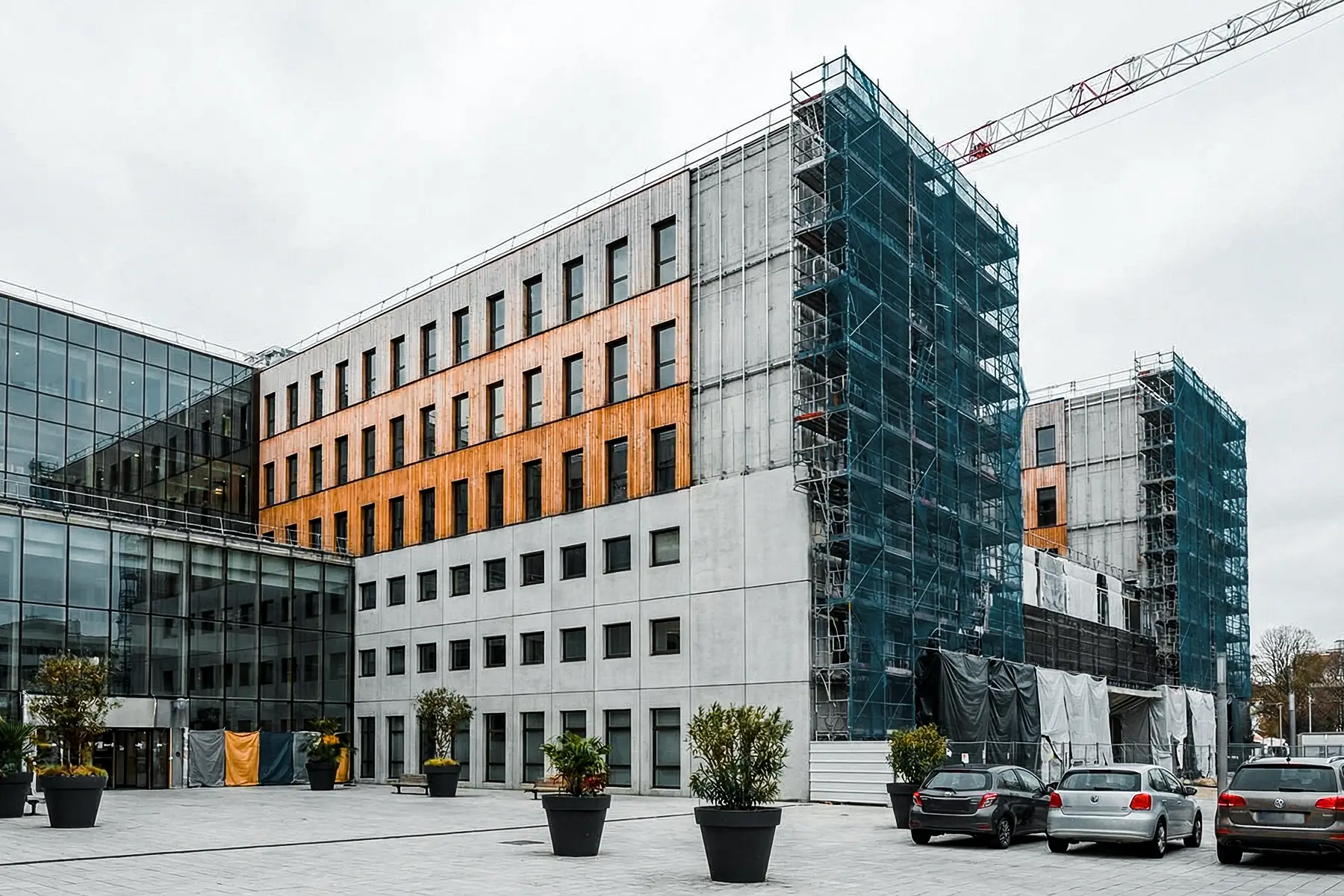
Hospitals make up some of society’s most essential infrastructure and take care of sick and vulnerable people, some with mobility issues. Because of these factors, fire safety is paramount. It becomes especially challenging to ensure adequate coverage when undergoing refurbishment work. This was the case with Szpital Praski, a hospital in Warsaw, Poland.
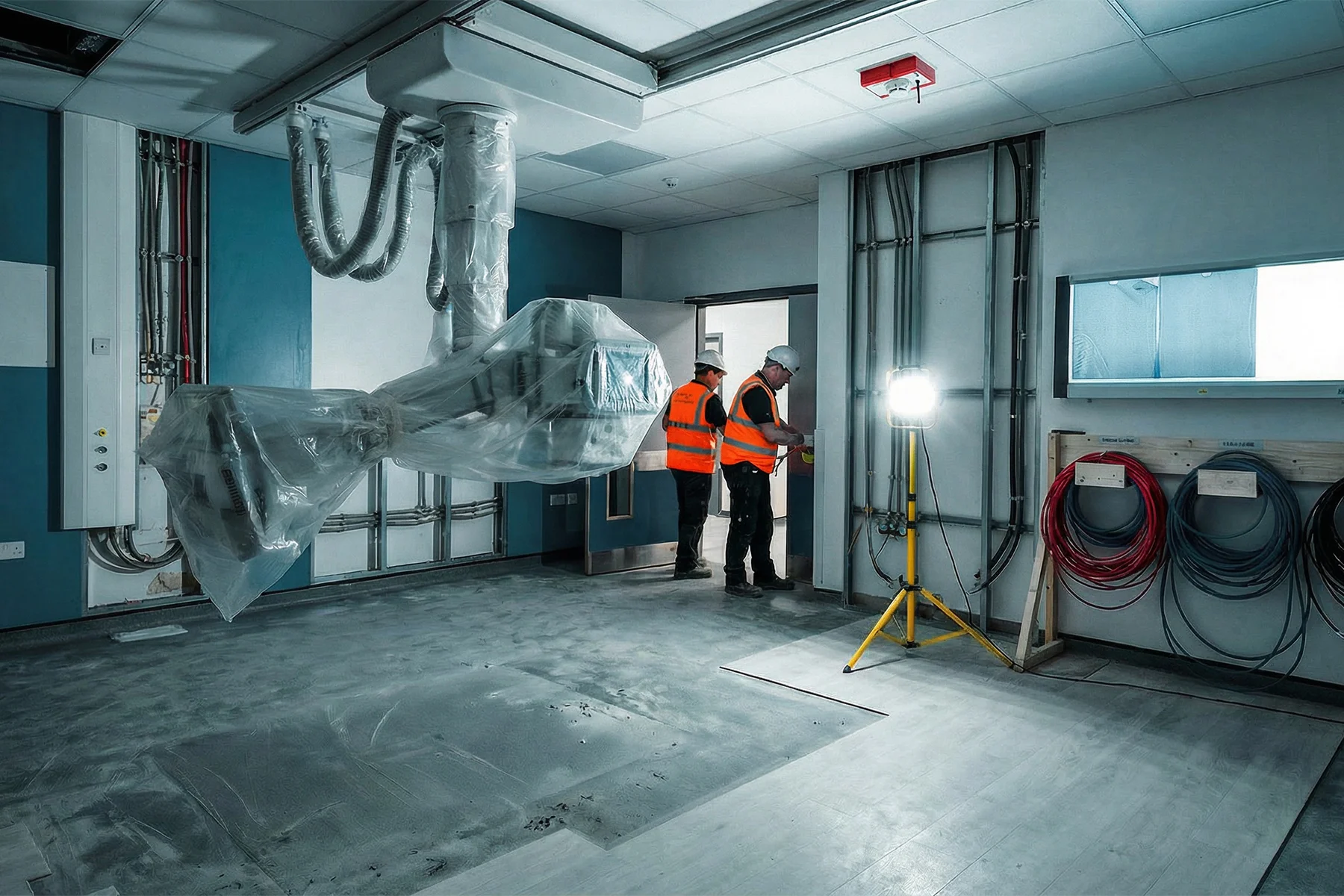
The project, which took place in 2021, involved a multi-phase refurbishment carried out within an active hospital environment. During the works, the permanent fire alarm system (SSI) was partially interrupted in certain zones, requiring a reliable temporary solution to maintain fire safety and evacuation capability without disrupting hospital operations.
WES3 as the Ideal Option
WES3 is Ramtech’s advanced wireless fire detection and evacuation system, developed for fast-changing, high-risk environments such as construction sites, industrial facilities, temporary structures, and refurbishment projects. Fully compliant with EN54-25, it delivers site-wide fire detection, evacuation alerts, and medical alarm functionality, without the need for cabling.
The primary challenge of this project lay in delivering uninterrupted fire protection within a live hospital environment where patient safety, clinical continuity, and regulatory compliance could not be compromised. The refurbishment was being carried out in carefully managed phases, meaning that different areas of the building were taken offline at different times, temporarily isolating sections of the permanent fire alarm system (SSI). This created a complex risk profile: vulnerable patients, including those with limited mobility, remained in adjacent zones; clinical procedures continued around the clock; and evacuation strategies had to remain fully operational despite shifting compartment boundaries.
At the same time, intrusive works such as cabling were prohibited due to infection control protocols, building constraints, and the need to avoid disruption to sensitive medical equipment. The solution therefore had to be rapidly deployable, fully compliant, easily reconfigurable as work zones evolved, and capable of integrating seamlessly into the hospital’s existing emergency procedures, without generating false alarms or operational downtime. To address these requirements, Ramtech partner Geo-Kat installed the following WES3 system configuration: 20 WES3 devices, 8 wireless smoke detectors, 11 manual call points and 1 Connect control panel.
Effortlessly Protecting Hospitals, Staff and Patients
The hospital opted for a wireless temporary system as it presented several operational and environmental challenges. For instance, cabling was not permitted due to the nature of the building and the hospital’s activity. Because of this, along with the frequent changes to work zones, the WES system was the only option as it offered comprehensive coverage without disrupting the facility’s daily operations.
Justyna Seed, Export Business Development Manager, at Ramtech explains: “In healthcare environments, there is no tolerance for reduced fire protection, even temporarily. At Szpital Praski, the priority was clear: patient safety and clinical continuity could not be compromised during refurbishment. WES3 provided a fully compliant, rapidly deployable solution that adapted without intrusive cabling or operational disruption. This project demonstrates that with the right wireless technology, hospitals can maintain uncompromised fire safety, even while their infrastructure is evolving.”
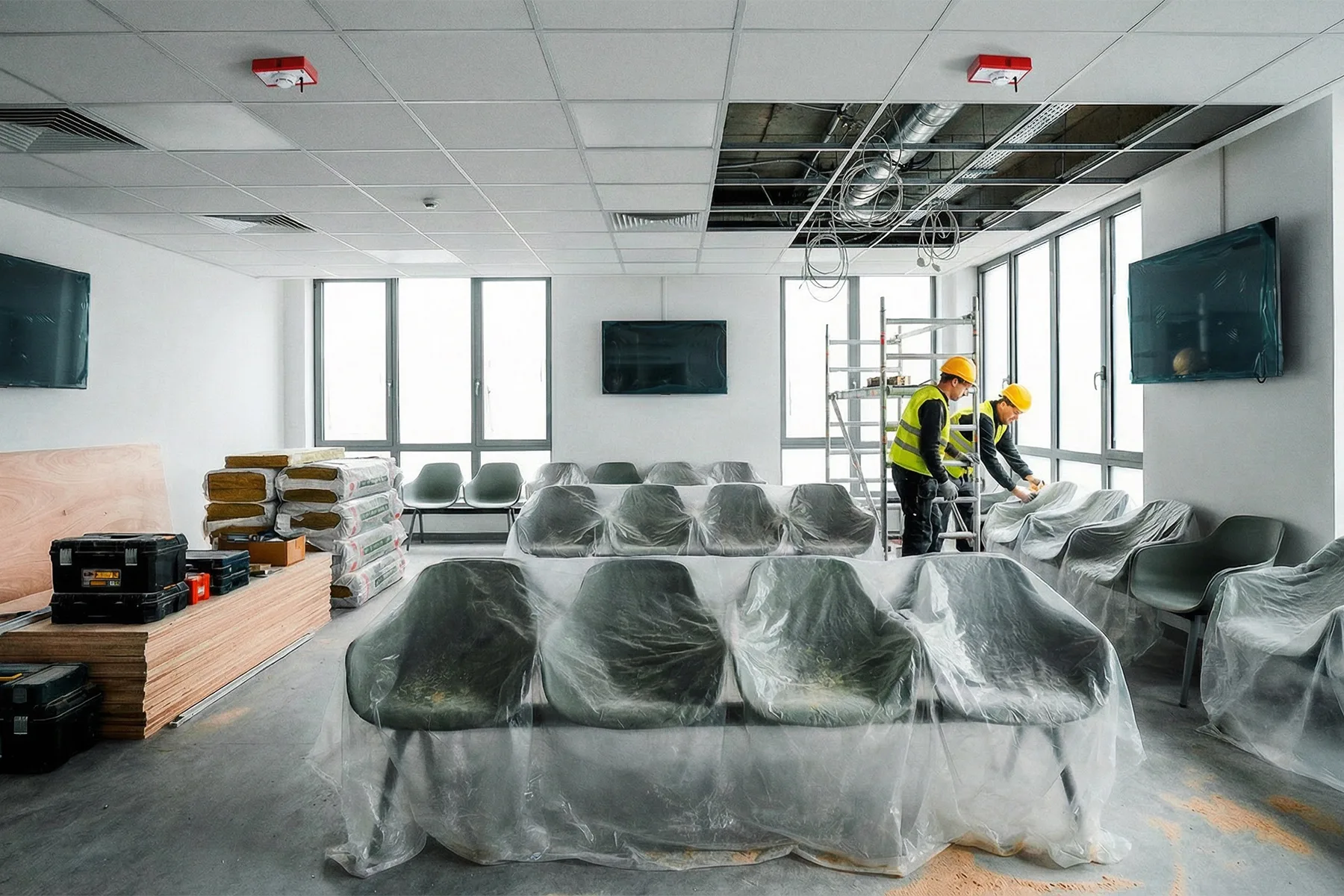
The refurbishment at Szpital Praski demonstrates that maintaining uncompromised fire protection during live hospital works is not only possible, but entirely achievable with the right technology. By deploying Ramtech’s WES3 as a temporary wireless solution, the hospital ensured continuous detection, clear evacuation signalling, and full operational continuity throughout each phase of the project. Critically, this was achieved without intrusive cabling, without disruption to patient care, and without compromising compliance or safety standards. In complex healthcare environments where vulnerable occupants, evolving work zones, and strict infection control measures intersect, flexibility and reliability are essential. This project highlights how advanced wireless fire systems can seamlessly bridge gaps in permanent infrastructure, safeguarding patients, staff, and visitors at every stage of refurbishment.
Temporary Fire Detection for Hospitals: Protecting Patients and Staff During Renovation
NEWS
Temporary Fire Detection for Hospitals
Protecting Patients and Staff During Renovation
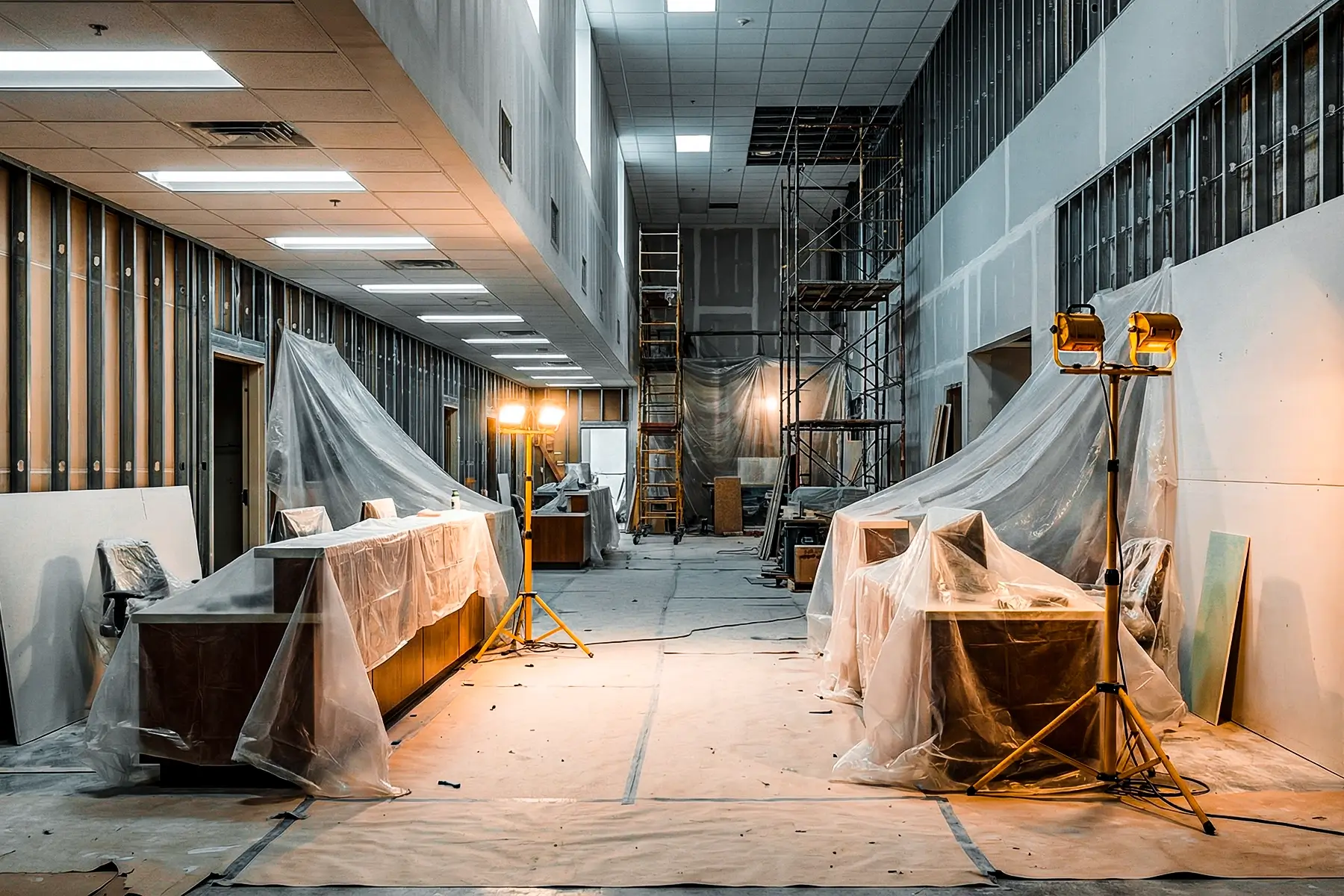
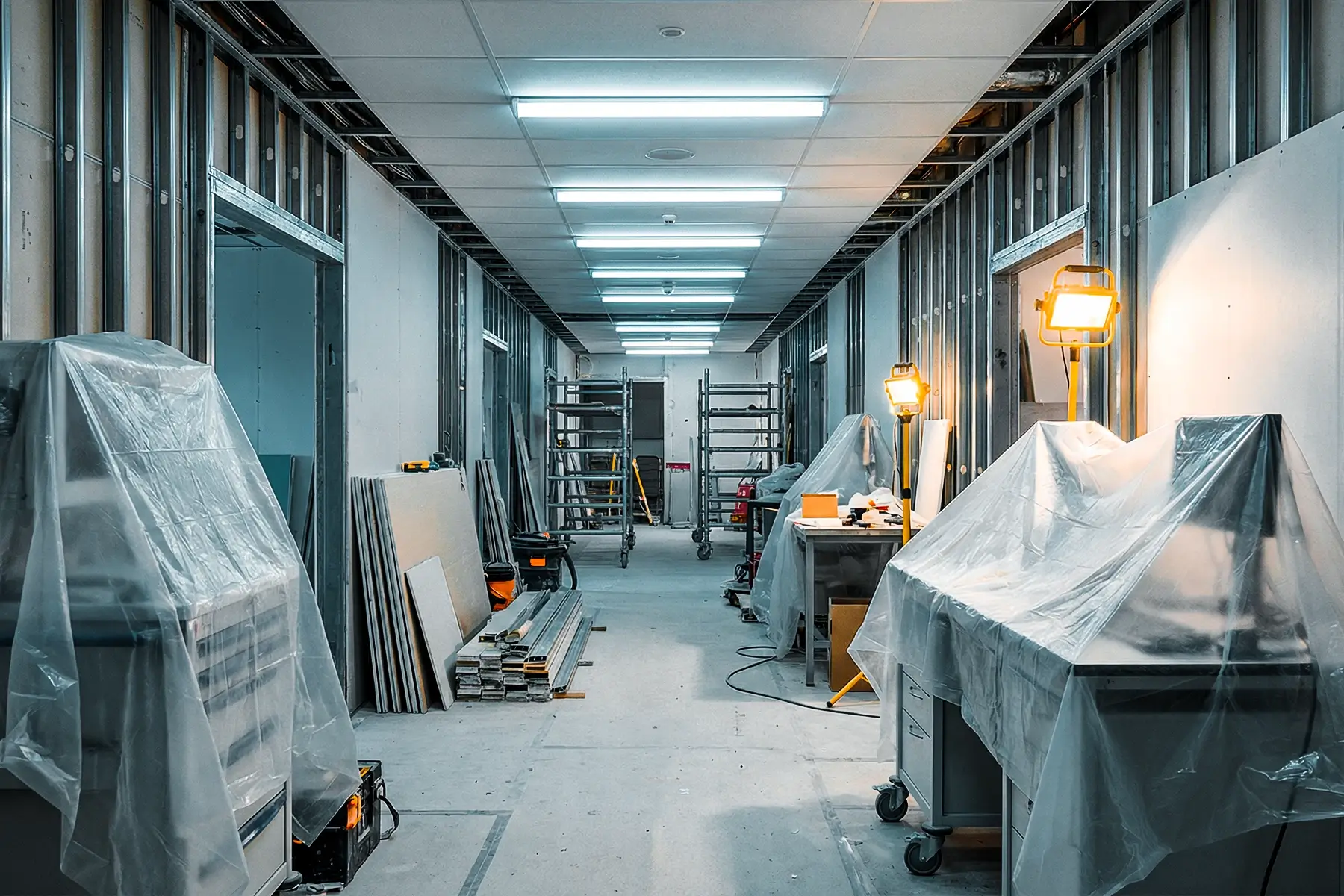
According to French law, Hospitals are classified as Établissements recevant du public, or ERPs, and therefore must follow strict regulations to ensure the safety of the structure as a whole when undergoing renovations. From general provisions to additional constraints due to the presence of vulnerable people, it’s important to understand how to ensure the safety of healthcare facilities and why temporary fire detection may be an ideal solution.
Key Fire Safety Requirements for Renovation
One of the primary obligations ERPs must adhere to concerns evacuation. The renovated layout must support rapid and orderly evacuation in the event of fire or panic, with circulation paths, exits, and protected waiting areas sized and arranged according to the hospital’s capacity. Because hospitals accommodate patients with reduced mobility, exit routes must be fully accessible, and safe-zones must be provided for staged or delayed evacuation.
Lifts are subject to particularly tight controls: their use during a fire is normally prohibited, except under specific conditions for evacuating people with disabilities, and they must meet enhanced safety standards. Passive fire protection is another cornerstone of compliance. Renovation work must rely on fire-resistant materials for walls, partitions, ceilings, floors, and especially fire-doors designed to contain smoke and flames.
Effective compartmentalisation is essential, ensuring that a fire starting in one part of the building cannot rapidly spread to another, a requirement supported by the installation of self-closing fire doors and the creation of fire-resistant zones. Ventilation and smoke-extraction systems, whether natural or mechanical, must also be updated or installed to meet regulatory performance thresholds, guaranteeing that smoke can be controlled and visibility preserved during an emergency.
Beyond passive protection, hospitals must be equipped with an appropriate Système de sécurité incendie (SSI), often at the highest level for ERP “type U.” This system integrates detection, alarms, and safety-management functions and must comply with the applicable AFNOR standards governing installation, operation, and maintenance.
Automatic smoke and heat detectors, supplemented by manual call points, are required, with alarm strategies tailored to alert staff promptly without necessarily disturbing patients. When triggered, the SSI must automatically activate compartmentalization, smoke extraction, escape-route management, and other essential safety actions.
How Wireless Technologies Can Safeguard Renovations
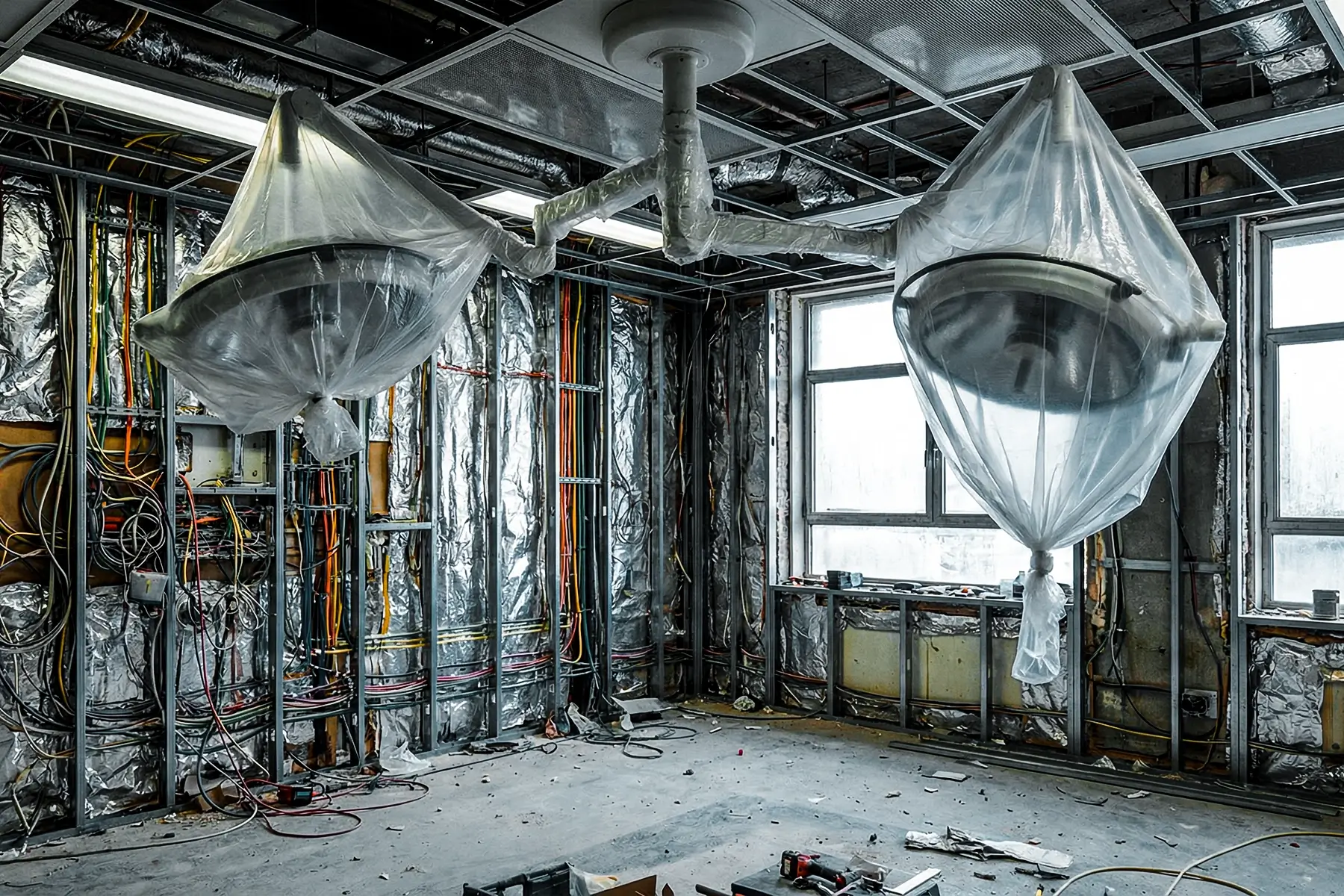
Ramtech is dedicated to guaranteeing fire safety through temporary fire detection systems. The WES and REACT systems, developed by Ramtech, were especially designed to ensure fire protection to environments that cannot rely on a permanent fire alarm system. In 2024, Ramtech’s French team were even awarded the Fire Prevention Award by the French Federation of Firefighting Professions (FFMI). Because of the system’s proven reliability during renovation projects.
“Ramtech’s systems have proven extremely effective during renovation projects. By embracing wireless technology, WES is able to ensure coverage to more precarious environments, thus safeguarding important structures” – Sylvain Castaignau, Head of Business Development for France.
WES and REACT can prove extremely effective, especially within hospitals. Because of their wireless technology, no cabling is required, limiting disruption to medical environments. Furthermore, the WES system is designed for open-air and construction, therefore, its dust-resistant detectors can prevent false alarms. REACT works in tandem with WES as a cloud-based platform that can instantly alert project managers as soon as an alarm goes off.
Ramtech’s systems have proven extremely effective during renovation projects. By embracing wireless technology, WES is able to ensure coverage to more precarious environments, thus safeguarding important structures
Sylvain Castaignau, Head of Business Development for France.
The New Children’s Hospital Case Study in Ireland
Ramtech’s devices have already been tried and tested within a hospital environment in 2019, in Ireland. The New Children’s Hospital project involved the main hospital on the shared campus at St James’s and two paediatric Outpatient and Urgent Care Centres. The scope of the project was large and the risk was high, as the hospital had experienced a number of arson attacks: 15 in a single week.
Fortunately, the WES3 system played a crucial role in ensuring quick detection and safe evacuation during each incident. The attacks could have been extremely dangerous to those working on the project, along with the patients in the adjacent hospital, and without prompt alerts the damage could have been tremendous. The system’s effectiveness has led to plans for increasing the number of WES units on-site, further strengthening fire safety measures.
Needless to say, the implementation of WES3 at the new Children’s Hospital in Ireland has significantly enhanced fire safety on-site, proving its effectiveness during multiple arson incidents. These proactive measures not only have safeguarded the hospital’s construction but also have set a precedent for fire safety standards in large-scale healthcare projects.
Safeguarding Hospital Renovations is Paramount
In an environment as sensitive and high-risk as a hospital undergoing renovation, maintaining robust fire safety is not simply a regulatory obligation, it is a moral one. The combination of vulnerable patients, complex building layouts, and ongoing construction activity creates conditions in which early detection and rapid response are absolutely essential.
Temporary wireless fire-detection technologies offer precisely that reassurance. Systems such as WES and REACT demonstrate how adaptable, cable-free detection can maintain safety standards even in dynamic, dust-filled, or partially decommissioned environments.
As hospitals across France and beyond continue to modernise their facilities, the role of temporary fire-detection solutions will only grow more significant. By integrating these technologies into renovation planning, healthcare providers can ensure continuity of protection, safeguard both workers and patients, and meet stringent ERP fire-safety requirements. Ultimately, prioritising fire detection during renovations is an investment not just in regulatory compliance, but in preserving lives and guaranteeing the resilience of our most vital public institutions.

Career Development at Ramtech Growing From Within
NEWS
Growing from Within
Career Development at Ramtech Through the Story of Aron Wadhia
Career development at Ramtech is rooted in encouragement, trust and a genuine belief that people thrive when they are given space to explore their potential. As a global leader in wireless fire safety technology, Ramtech knows that true innovation comes from people who are continually learning and pushing themselves forward.
A standout example of this is the journey of Aron Wadhia, who moved from Finance Controller to Head of Business Development. His progression illustrates how Ramtech creates meaningful opportunities for internal mobility and long term professional growth. We recently sat down with Aron to discuss his bold career transition, the support he received along the way and what his experience reveals about Ramtech’s commitment to nurturing talent across the organisation.

Taking a bold step into a new direction
What motivated you to make the transition and how did Ramtech support you?
Aron: I am always looking for new ways to learn and develop. I made it known that I wanted to gain more direct commercial experience as part of my long-term career development. I am very fortunate that others saw my potential and supported the transition. Ramtech colleagues have been incredibly encouraging and patient with me as I learn new ropes.
Career development at Ramtech thrives because leaders listen, encourage ambition and support employees who want to expand their skill sets. Being part of the Halma Group strengthens this approach even further.
Transferring finance strengths into a customer focused role
What skills helped you succeed and what new skills did you have to develop?
Aron: Although the roles are very different, several finance skills transfer well. Being financially literate helps me quickly assess commercial opportunities. I have always worked with many stakeholders and now this happens more externally with customers. There are knowledge areas I needed to strengthen but with the support of colleagues and my earlier experience at Ramtech, this has not been too difficult. The biggest mindset change has been around risk. In finance you work to mitigate risk. In business development you take calculated risks to support growth.
A culture that believes in potential and progression
How would you describe Ramtech’s approach to internal progression?
Aron: Ramtech is a fantastic place for learning and growing. Smaller companies sometimes have a reputation for limited progression, but Ramtech is a great example of why that is not always true. Many colleagues have been given opportunities to move into new roles and shine in different areas of the business. Being part of Halma provides even more possibilities. My experience shows that if someone has the potential, is motivated and communicates their long-term aspirations, the opportunity will come. Evidence from the Chartered Institute of Personnel and Development highlights the value of internal mobility for retention and engagement.
My experience shows that if someone has the potential, is motivated and communicates their long-term aspirations, the opportunity will come.
Aron Wadhia - Head of Business Development
Advice for anyone considering a bold career move
What guidance would you give to colleagues or industry professionals?
Aron: One of our Orama Values is Be Bold and Own It. I would encourage anyone looking for new experiences to have a conversation with their manager. Let them know where you want to be in the long term so they can support your development. You never know what opportunities could be waiting for you. This perspective reflects the heart of career development at Ramtech where curiosity, ambition and communication open the door to new possibilities.
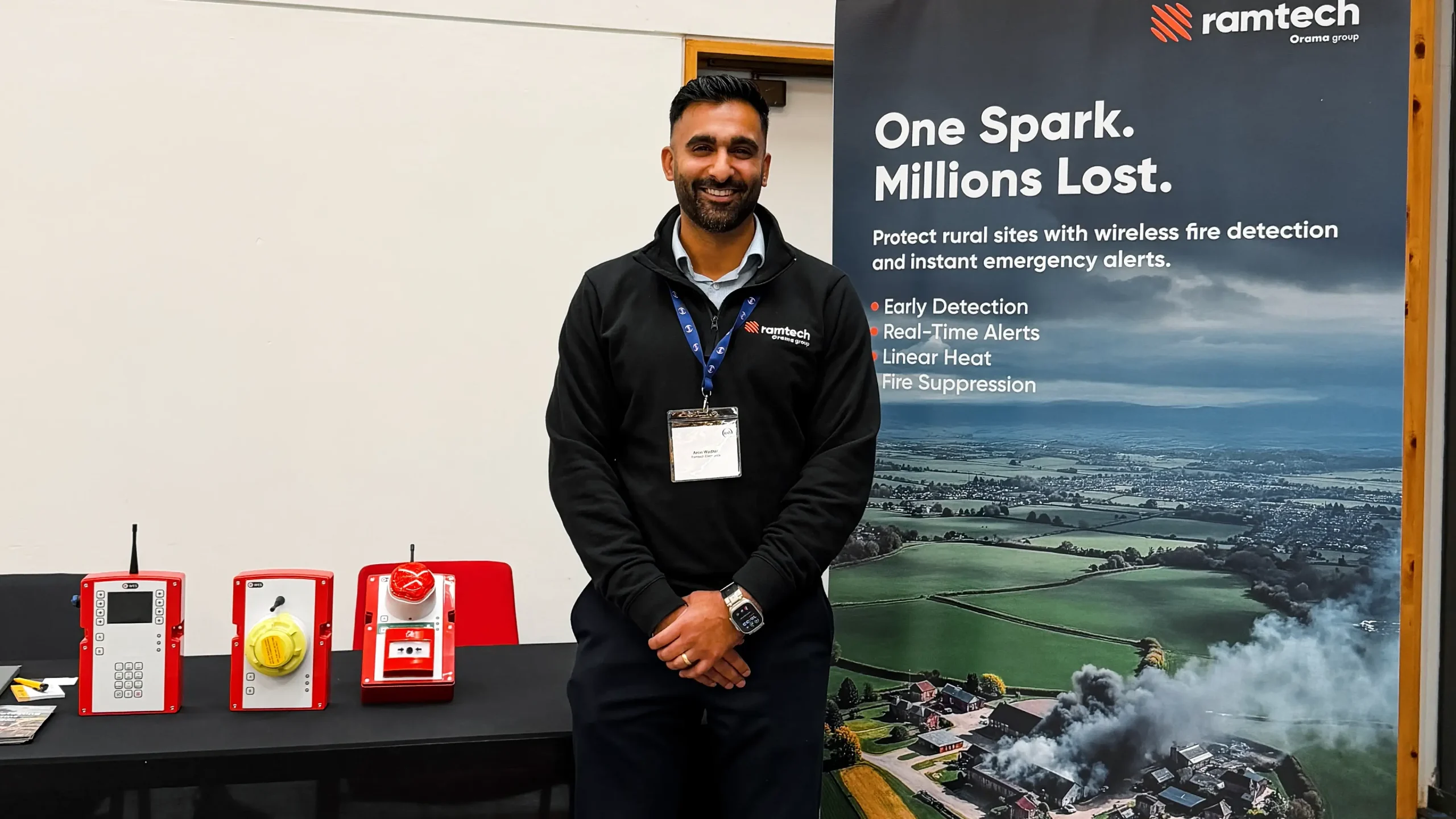
Career development at Ramtech is rooted in encouragement, trust and a genuine belief that people thrive when they are given space to explore their potential.
Aron Wadhia - Head of Business Development
A real example of growth at Ramtech
Aron’s progression demonstrates how Ramtech nurtures talent, supports internal transitions and strengthens career development at Ramtech through genuine opportunity. His move into business development has already enriched our customer relationships and added valuable commercial insight. This commitment to people matches our commitment to product excellence. Ramtech has earned industry recognition including the Fire Prevention Oscar awarded by the French Federation of Firefighting Professions for the WES range. This reinforces the trustworthiness and credibility behind the products and the people who deliver them.
Conclusion
Career development at Ramtech is a lived experience grounded in support, opportunity and a belief in the potential of every person. Arons journey shows how skills can transfer, how ambition is encouraged and how motivated individuals can build rewarding careers within a global safety technology company. Ramtech continues to be an environment where people grow, take on new challenges and shape the future of wireless life safety solutions.

Maternity Cover: How Ramtech Helped Me Return to Work With Confidence
NEWS
Maternity Cover
How Ramtech Helped Me Return to Work With Confidence
Becoming a parent is life-changing, and stepping away from work for maternity leave brings excitement, emotion and a very real sense of uncertainty. The period away from your routine, your colleagues and your role can be daunting, and many women return feeling like they are starting from scratch.
A Personal Experience That Shows Why Support Matters
My experience was the opposite thanks to the culture at Ramtech and the parental policies offered through Halma. The Halma maternity cover of fourteen weeks for both men and women is far more generous than what many companies provide, and it reflects a belief that families need real time together, not just the minimum statutory allowance. It also demonstrates a commitment to inclusion and equality by offering the same entitlement to all parents. However, the policy alone was not the reason my return felt so positive. What made the difference was the way Ramtech supported me throughout my leave.

Staying Connected Through Regular Catch Ups
One of the biggest challenges for new mothers is the feeling of losing touch with work. Ramtech removed that fear completely. I had regular catch ups with my manager and the team while I was away, not because I had to, but because they genuinely wanted me to feel connected. These conversations kept me in the loop with key updates, new projects and changes across the business.
It also reassured me that when I returned, I would not walk into a role that felt unfamiliar. I knew what the team was working on, how the business was progressing and where I would fit back in. That level of communication made a huge difference to my confidence.
This approach aligns strongly with Halma’s values about supporting people through life transitions and investing in long-term employee wellbeing. More information on Halma’s culture can be found on their website.
The Value of KIT Days and Staying Engaged
I made full use of KIT (Keep In Touch) days, and I cannot emphasise enough how beneficial they were. KIT days allowed me to come in for important meetings, align on plans, and reconnect with colleagues. They were flexible, supportive and designed to make the transition smoother rather than overwhelming.
Using KIT days meant I never felt like a “fish out of water” when I walked back into the office. I felt prepared, familiar with our projects and ready to pick up where I left off. This is something I now encourage every parent at Ramtech to take advantage of, because the difference they make is remarkable.
More details about Ramtech’s culture of support can be found on our People and Culture page.
One of the biggest challenges for new mothers is the feeling of losing touch with work. Ramtech removed that fear completely.
Charne Prentice - Marketing Manager



A Policy That Supports Families, Not Just Mothers
One thing I wish I had access to personally was the same fourteen-week parental leave that Halma provides for men. My husband only received a brief two-week allowance from his employer, and the difference was felt immediately. The early newborn period is intense, physically and emotionally demanding, and having both parents present makes a meaningful difference.
Halma’s equal approach to maternity and paternity cover shows an understanding of the realities families face. It recognises that caregiving should not fall solely on mothers and promotes equality inside and outside the home. This approach supports family wellbeing and encourages a more balanced transition back to work.
The importance of strong parental leave is outlined in studies such as those from the U.S. Department of Labor (https://www.dol.gov), which highlight the long-term benefits of equal parental involvement.
Returning to Work With Confidence and Support
When I finally returned to Ramtech, I walked into an environment where I felt seen, supported and prepared. The team welcomed me back with genuine warmth, and the transition into my role was smoother than I expected. I never felt like I had lost my place or relevance in the business. Instead, it felt like a continuation, strengthened by time away and supported by thoughtful planning.
Strong culture is not built through policies alone. It is built through how those policies are brought to life, and Ramtech embodies this. My experience was a true reflection of our belief that people matter, families matter and careers can flourish alongside personal milestones.

For any parent preparing to take maternity leave or return from it, knowing you have a supportive environment can make all the difference.
Charne Prentice - Marketing Manager
A Culture That Helps You Thrive as a Parent and a Professional
Halma maternity cover provides the foundation, but Ramtech delivers the lived experience. The combination of generous parental leave, consistent communication, flexible KIT days and a team that genuinely cares created a return-to-work experience that felt empowering rather than overwhelming.
For any parent preparing to take maternity leave or return from it, knowing you have a supportive environment can make all the difference. Ramtech is a strong example of what it looks like when a company invests in its people at every stage of life, not just during the working hours.
Ramtech Establishes Full U.S. Supply Chain With New Charlotte Office
NEWS
Ramtech Establishes Full U.S. Supply Chain with New Charlotte
Global Wireless Solutions Provider Commits to Modernising Fire and Life Safety for the U.S. Construction Sector.
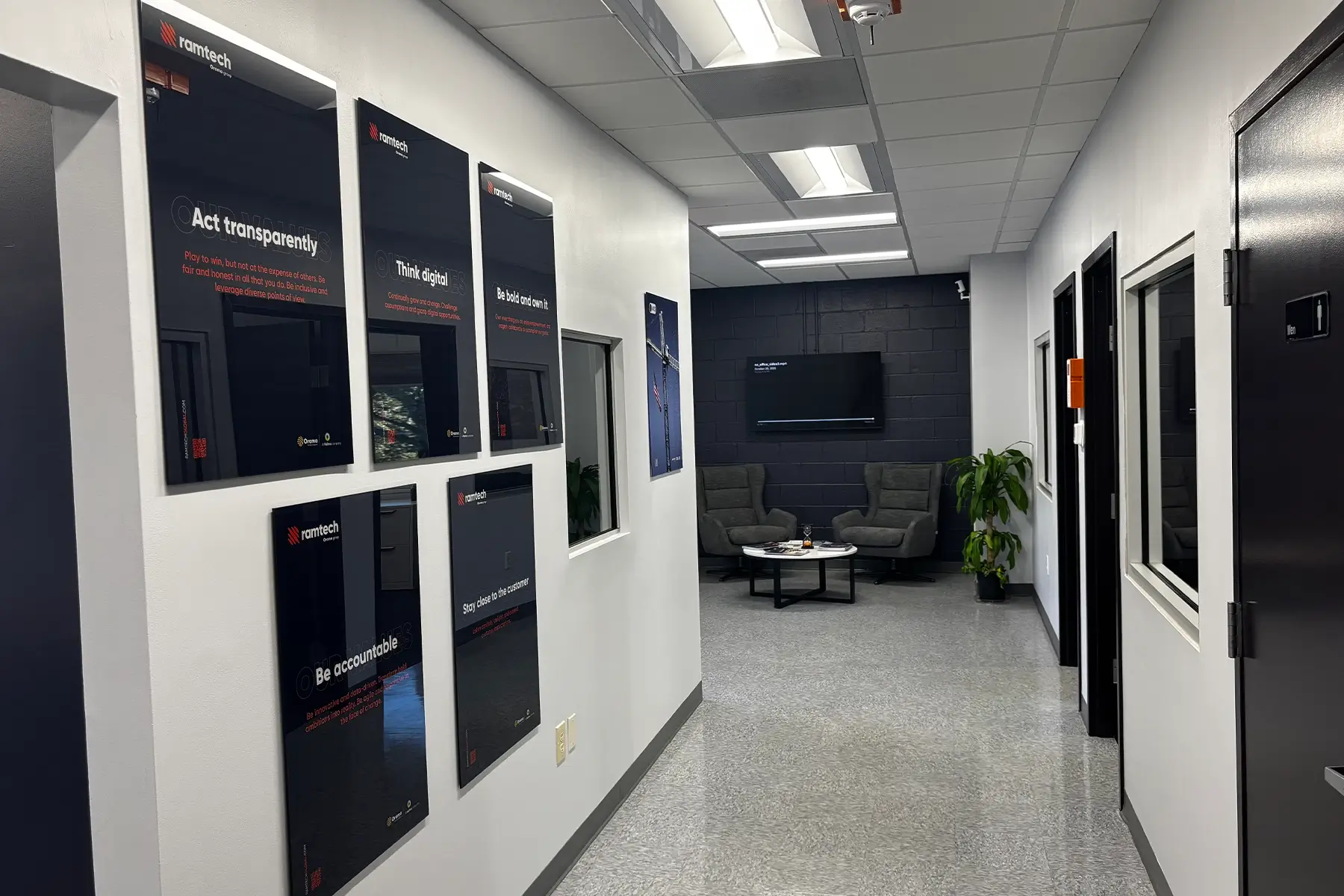
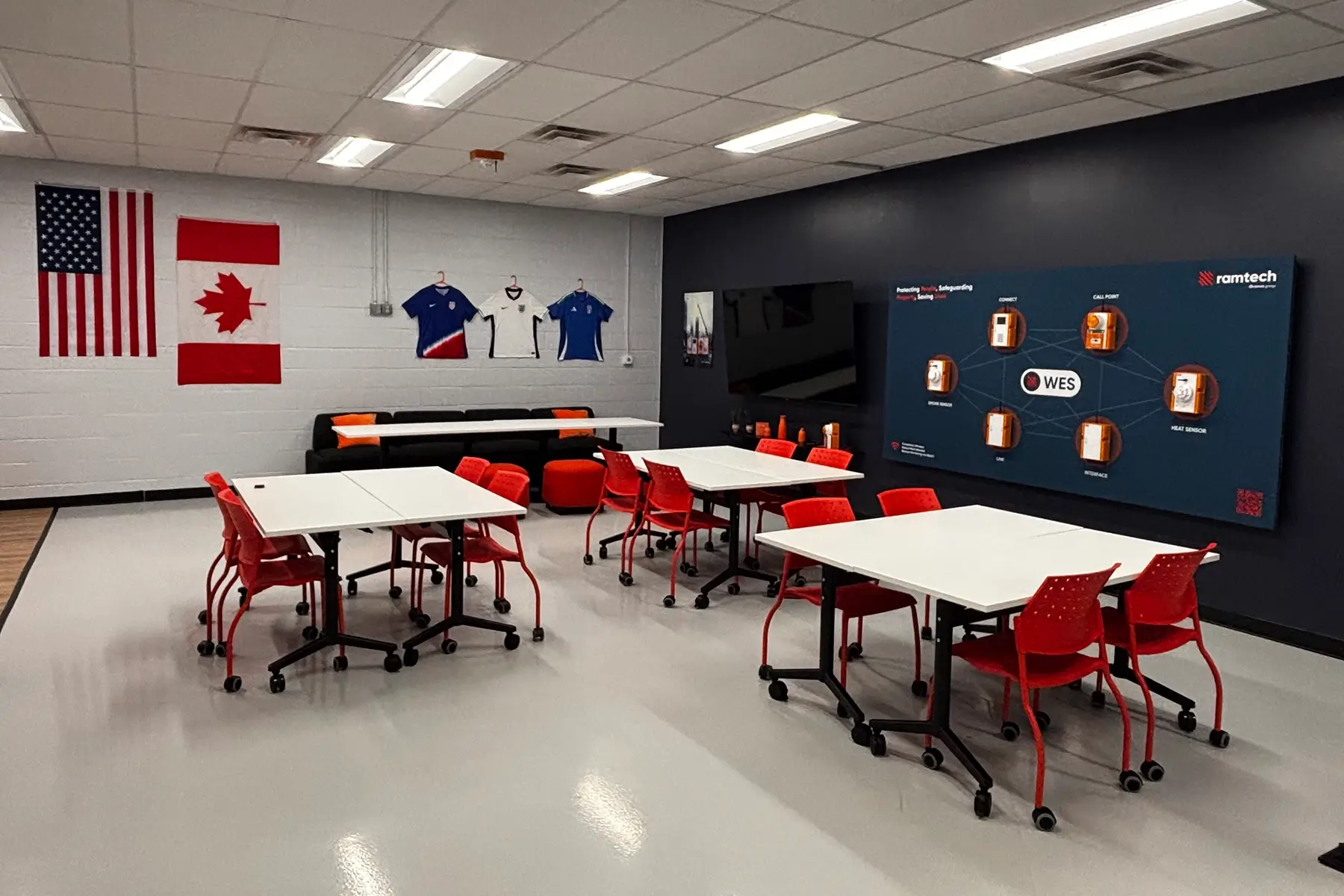
Global wireless solutions provider Ramtech has officially opened its new office in Charlotte, North Carolina, cementing its commitment to a full U.S. supply chain and advancing modern fire and life safety solutions across the construction industry.
Enhancing Efficiency Through a Full U.S. Supply Chain
With the U.S. construction sector grappling with rising costs, labour shortages, supply chain disruption and ever-increasing economic uncertainty, Ramtech’s Charlotte hub will enhance efficiency, mobilization, and reliable delivery of safety solutions for contractors nationwide. By giving contractors direct access to equipment, training, and support, Ramtech can reduce supply chain delays, streamline project rollout, and ensure every worker on site benefits from consistent, modern fire and life safety systems.
We are proud to put a permanent marker on the map in North Carolina. The launch is a tangible statement of our investment in the U.S. market and a demonstration of our commitment to partners and clients across the country.
James Pecz - Head of North America, Middle East & Global CX
Challenging the Status Quo and Aligning with NFPA Standards
As part of the official opening, Joel Pickering, fire and life safety principal at Ramtech discussed the urgent need to modernize safety practices across the U.S.
Pickering, an active member of the National Fire Protection Association (NFPA) 241 committee and former chair of the ANSI A-1026 subcommittee on ‘Emergency Procedures for Construction and Demolition Sites’, said: “For too long, the U.S. has relied on outdated approaches that don’t reflect today’s risks or the solutions available. It should be no surprise when we say there is a clear need for stronger, more uniform adoption of safety codes and modern evacuation technologies that ensure every construction worker feels safe and protected at all times.
“At Ramtech, we are challenging the status quo, maintaining our focus on ‘safety simplified’, fully aligning ourselves with NFPA standards, while striving to build a chain of awareness, adoption and compliance that brings everyone aboard. The opening of this office adds another crucial piece to the puzzle, enhancing mobilization, efficiency and consistent evacuation support across every environment.”

Ramtech has operated in the U.S. for 7-years, supporting major construction firms including Turner, PCL, and Barton Malow, as well as the maritime defense sector. Its WES system has protected more than 350 workers on high-profile projects such as Hudson Detroit ($1B) and Gaylord Pacific Resort, and the company partners with over a dozen U.S. distributors, including Space Age Electronics.
While the majority of Ramtech’s U.S. experience and recognition has been in the North and South East regions, it is keen to expand this reach across the South and Midwest. Charlotte will be an anchor for the firm, while it looks to cover new ground with its regional and state-specific partners.
At Ramtech, we are challenging the status quo, maintaining our focus on ‘safety simplified’, fully aligning ourselves with NFPA standards, while striving to build a chain of awareness, adoption and compliance that brings everyone aboard.
Joel Pickering - Industry Principal Fire and Life Safety
Investment and Future Vision
James Pecz, head of North America, Middle East and Global CX at Ramtech, added: “We are proud to put a permanent marker on the map in North Carolina. The launch is a tangible statement of our investment in the U.S. market and a demonstration of our commitment to partners and clients across the country. Deciding to establish a base here bring us closer to delivering safety solutions more efficiently and reliably, backed by a full US supply chain and national service coverage.
“As we continue to grow our presence in the US, this step ensures that Ramtech is not just responding to the currency of industry needs, but actively shaping the future of wireless evacuation solutions, helping protect workers and facilities at every stage of a project.”
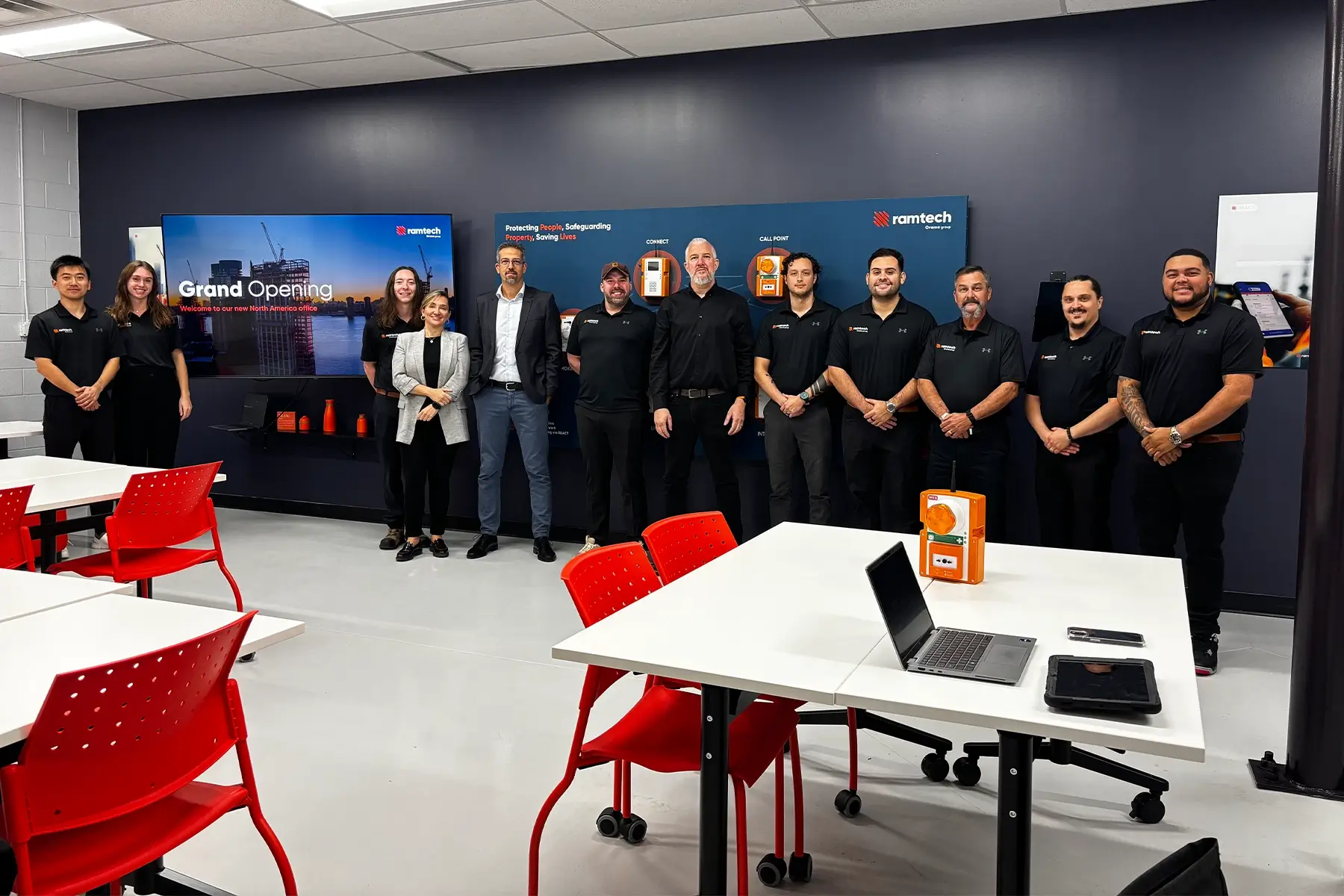
The opening featured a ribbon-cutting ceremony led by Bruna Pacios Esposito, Ramtech’s business unit director, alongside Orama managing director Giorgio Koursaris. The day involved product innovations presented by product marketing manager Jiayao Wang.
With Pickering’s experience at the helm, Ramtech has also recently launched a new revised edition of its award-winning ‘No Site Left Behind’ whitepaper, first published in 2022, examining the state of fire safety awareness across the U.S.
The report draws directly on Pickering’s insight from high-profile construction and industrial projects, providing a practical perspective on the challenges facing the industry. It arrives as the sector prepares for the next projected release of NFPA 241 in 2026, the national benchmark for preventing or minimizing fire damage to structures.

Portrait of Sylvain Castaignau: A Career Shaped by Construction
NEWS
Sylvain Castaignau
A Career Shaped by Construction

Ramtech continues its international development and, to support this dynamic, the company relies on experienced profiles capable of combining strategic vision with operational expertise. It is in this context that Sylvain Castaignau joined the team as Head of Business Development for France, with the mission of structuring and expanding activities across the entire national territory.
With more than 17 years of experience in the construction sector, Sylvain has built his career in different regions of France, mainly the northwest and the southwest. His career was particularly enriched by extensive experience in the elevator industry, working for several leading multinational companies. Sylvain explains: “My job was to develop new and different regions commercially each time.” This expertise in managing and expanding commercial territories is now a major asset in supporting Ramtech’s strategy in France.
A Return to His Roots in the Southwest
Originally from the southwest of France, near the Basque Country and the Spanish border, Sylvain has remained attached to his roots. “I lived in different parts of France, but since 2015 I have returned to my home region in the southwest,” he explains. This return to his birthplace goes hand in hand with a desire to put his experience at the service of ambitious new projects, while maintaining a strong local anchoring.
From his studies, Sylvain turned to commerce and international business: “I completed a BTS in International Trade in Pau. Then I obtained a Grande École Diploma (Master’s degree M2) at Rennes School of Business, with a further specialisation in International Trade. I also spent a year studying at the University of Prince Edward Island in Canada, which allowed me to gain a strong command of English – an essential skill in my current role.”
This training enabled him to develop strong skills in management, commercial strategy, and international openness—essential assets in his current role.
My responsibility is to raise awareness of Ramtech in France and to establish it as the benchmark for fire safety in temporary buildings.
Sylvain Castaignau - Business Development Manager France
Why Ramtech?
What attracted Sylvain to the mission offered by Ramtech was the opportunity to take part in an entrepreneurial adventure from the very beginning in France. “The idea is to build and structure Ramtech in France. The mission involves several key areas: business development, of course, managing major national players in the construction sector, as well as team management. It’s a wonderful challenge that I am delighted to take on.”
As Head of Business Development France, Sylvain’s main role is to expand Ramtech’s activities throughout the mainland, excluding Paris. “My responsibility is to raise awareness of Ramtech in France and to establish it as the benchmark for fire safety in temporary buildings. The goal is to replicate in France the success story that Ramtech has experienced in the United Kingdom.” His ambitions are clear: to increase Ramtech’s visibility, expand the client base, and identify new growth opportunities in underdeveloped sectors.
The idea is to build and structure Ramtech in France. The mission involves several key areas: business development, of course, managing major national players in the construction sector, as well as team management. It's a wonderful challenge that I am delighted to take on.
Sylvain Castaignau - Business Development Manager France
Prospects for Diversification
While construction remains Ramtech’s main focus in France today, Sylvain also sees potential in other sectors: “I’m sure that our solutions are suited to a wide range of applications that may not be immediately obvious – such as the maritime sector with shipyards, large storage facilities, or even temporary events. The possibilities are numerous.” This outlook reflects his ability to identify new perspectives and anticipate emerging market needs.
Outside of his professional activities, Sylvain cultivates numerous interests, with a strong emphasis on sports. “I have played football my whole life, and today I’ve taken a step back to share the knowledge that was passed on to me. I am the sporting director of a club with 240 members, where I train coaches to guide children aged 5 to 17. I am also passionate about Brazilian Jiu-jitsu and compete as a blue belt. I’ve also taken up running, with a goal of completing a half marathon in November – and perhaps my first full marathon soon after.
In short, I’m a multi-passionate person, but above all, passionate about sport.” These sporting activities reflect his taste for effort, discipline, and perseverance—qualities that are also evident in his professional life. Through his career, Sylvain perfectly embodies the spirit driving Ramtech in France: the ability to rely on solid foundations—experience, skills, and territorial roots—while staying oriented toward the future and the exploration of new opportunities.
Renovation Fire Risks: What We Can Learn from the Birmingham Tower Fire
NEWS
Renovation Fire Risks
What We Can Learn from the Birmingham Tower Fire
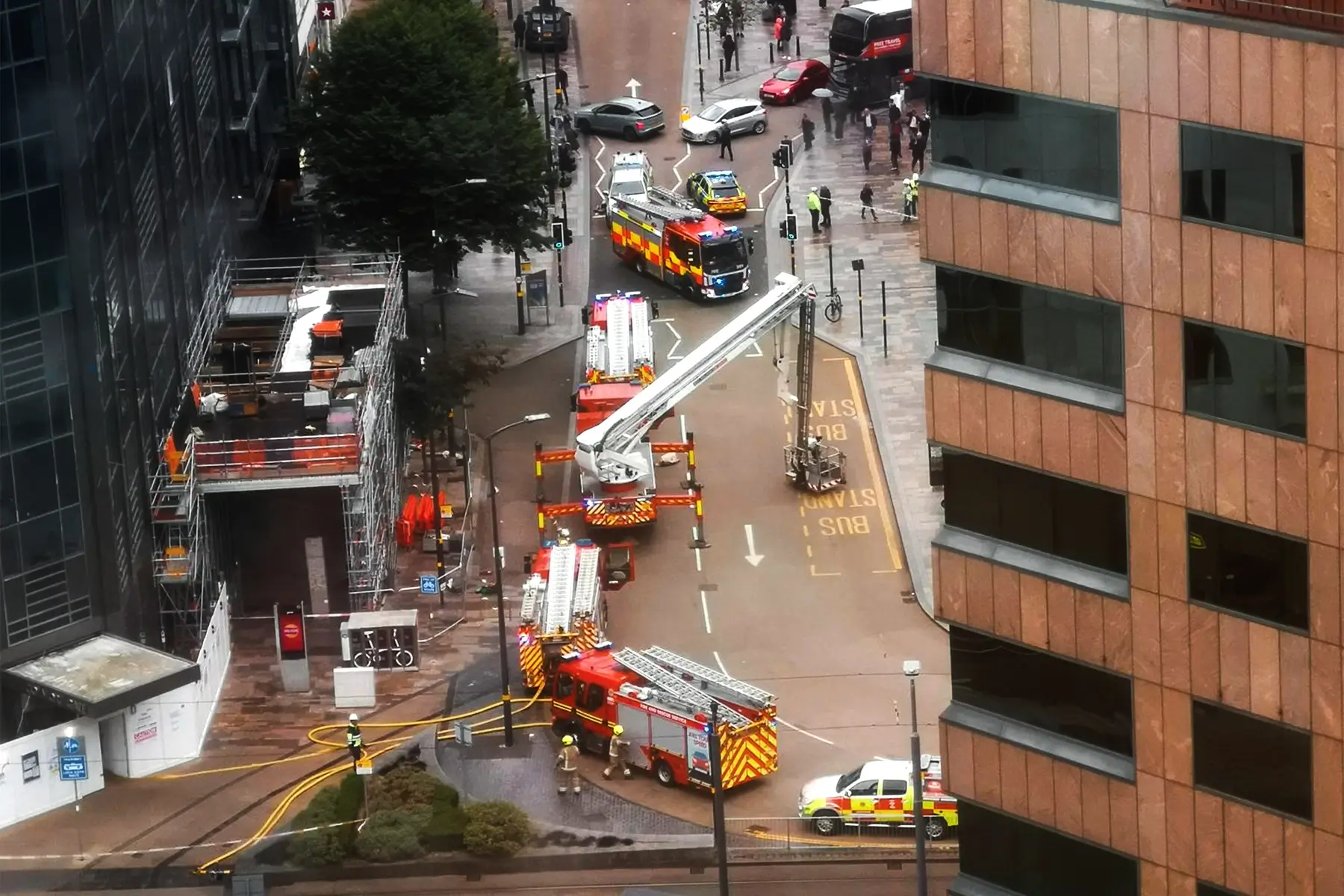
Big renovation projects often involve high fire risks, as unattended sites may lead to a larger loss of property. Recently, a 16-storey tower block under construction was engulfed in flames in Birmingham city centre. After deploying 50 firefighters, who worked tirelessly to extinguish the blaze, the site was secured and resulted in no injury nor casualty. The investigation that followed, however, revealed that the fire had “started accidentally”, according to investigators from the West Midlands Fire Service, begging the question: how can construction sites be safeguarded from such incidents?
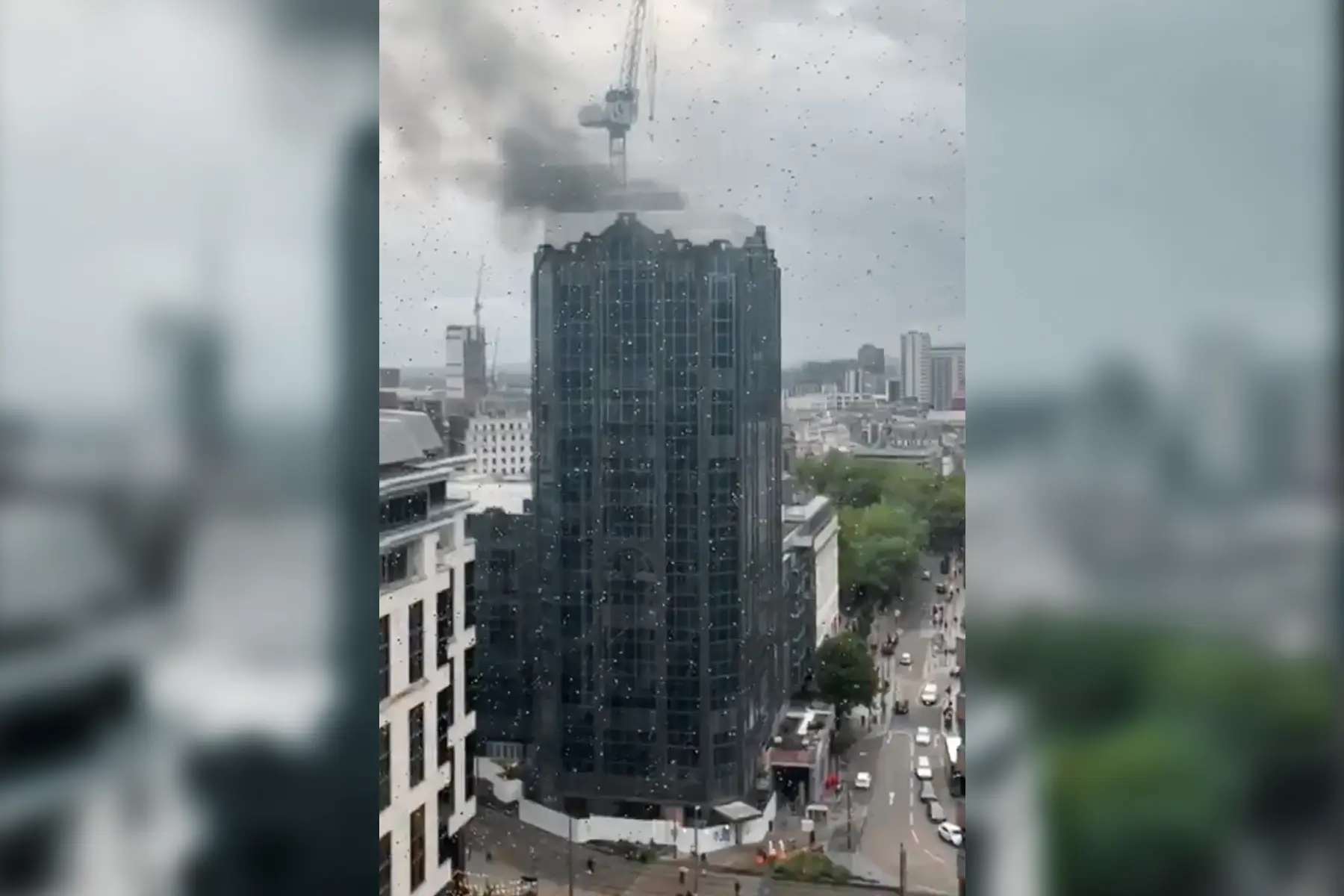
Fire on the Construction Front Line
According to recent data, the Fire and Rescue Service in England attend more than 300 primary fires on construction sites every year. Although renovation fire risks rarely include loss of life, they still result in massive losses, both of property and of resources.
In a report on the economic and social cost of fire, it was found that the sum of measures designed to either prevent fires from occurring or protective measures to mitigate the damage and impact of fires, combined with the direct and indirect costs that occur as a result of fire and the cost of fire and rescue services responding to incidents amounted to £12 billion.
It’s important to note that, according to the aforementioned report, the biggest cost related to fire protection is due to preventive measures, accounting for more than £8 billion out of the £12 billion. However, ensuring the safety of buildings under construction could help save more than £3 billion in damages.
Essential Fire Safety Practices
A robust fire safety strategy on any construction or renovation site must be built around several key risks. First and foremost, a comprehensive and regularly updated Fire Risk Assessment (FRA) is legally mandated under the Regulatory Reform (Fire Safety) Order 2005 and supported by HSE guidance such as HSG168; it forms the foundation of compliance and proactive risk management.
Alongside this, a stringent Hot Work Permit system is vital, as activities like welding and cutting remain among the most common ignition sources for site fires, making strict controls essential. Daily housekeeping also plays a critical role in reducing risk, ensuring that combustible waste does not accumulate and provide fuel for potential fires, an ongoing challenge in constantly changing renovation environments.
Finally, maintaining clear, well-marked, and suitably protected escape routes is non-negotiable, with careful planning required to ensure they remain effective and accessible throughout each phase of a project.
The Birmingham tower fire powerfully illustrates why innovative solutions, such as wireless fire technology, are no longer optional for effectively managing renovation fire risks.
Wireless Fire Technology for Dynamic Sites
Thanks to innovative wireless technology, building sites can benefit from a much higher level of fire protection. Wireless systems, such as Ramtech’s WES, allow devices to be installed on a MESH network, preventing the connection from being broken by a single faulty device. However, perhaps the biggest risk to property damage on construction sites is due to fires breaking out when sites are left unattended. In an effort to reduce this risk, Ramtech developed the REACT cloud-based platform. REACT is a mobile and desktop application that effectively warns project managers of any issue through a simple push notification. By leveraging innovations like WES and the REACT platform, renovation fire risks can be significantly reduced, helping to lower the cost of fires each year and setting a new standard for safety in buildings under construction.
Images Credit: Dan Squire (X)